
BLOG
- Home
- Blog
- Industry Sharing
- Stainless Steel Railing: The Ultimate Guide to Hardware Design & B2B Solutions
Stainless Steel Railing: The Ultimate Guide to Hardware Design & B2B Solutions
December 05,2025
Author : ALLWIN
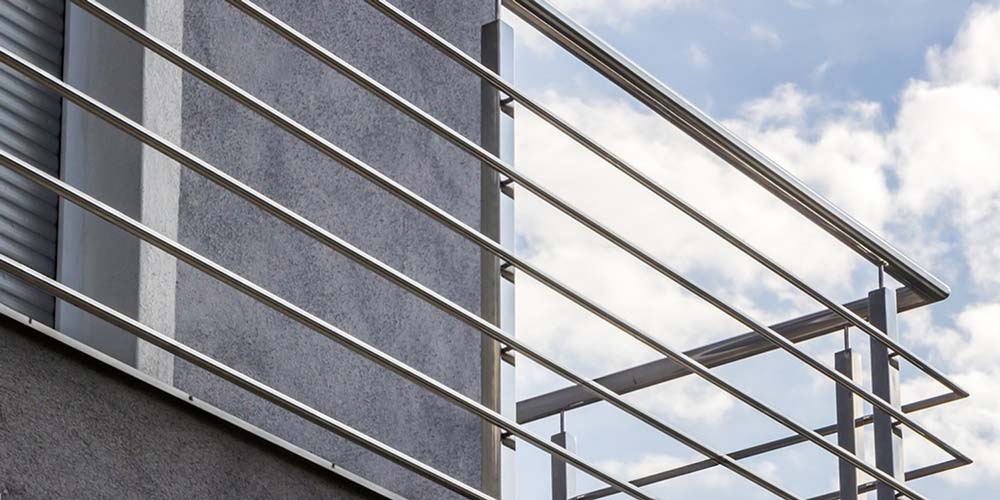
Stainless steel railing systems serve a vital role in modern architecture. These systems combine clean aesthetics with long-term durability and safety. Residential buildings, commercial spaces, and public infrastructure projects widely use stainless steel railings. Users value these railings for their strength, corrosion resistance, and timeless appearance. Visual design often attracts the first notice, but true safety depends on the hidden components. The hardware system—including posts, base plates, connectors, and fittings—determines structural integrity, code compliance, and reliability.
〈Extended reading: Sourcing Stainless Steel Railing Systems: A Distributor's Essential Hardware Checklist 〉
Stainless Steel Railing Applications: Solutions for Every Purpose
Stainless steel railings function across diverse environments. Each setting carries different functional demands. Grouping requirements by application clarifies how designers should adapt material selection and hardware choices.
Residential Applications
Homeowners commonly install stainless steel railings on balconies, staircases, terraces, and private decks. These projects require a balance between safety and visual consistency. Developers prioritize clean design, comfortable handrail height, and minimal upkeep.
Commercial & Public Buildings
Commercial environments like offices, shopping centers, and hotels emphasize load capacity and strict building codes. High foot traffic demands robust hardware and secure anchoring. Infill components must meet safety regulations while maintaining a professional appearance.
Outdoor, Coastal & Marine Environments
Railing systems withstand constant salt, moisture, and wind in extreme outdoor conditions. Corrosion resistance becomes a critical factor in these settings. Material selection and proper hardware specification ensure long-term performance and reduced maintenance.
Essential Stainless Steel Railing Hardware: Components Deep Dive
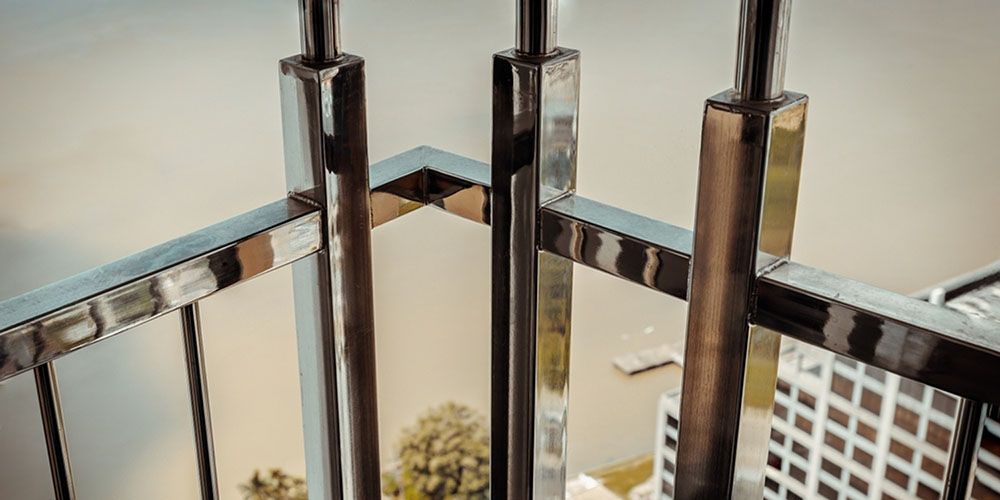
A stainless steel railing functions as a complete system. Every hardware component contributes to the overall stability of the structure. The entire system suffers if any single part fails. Designers and contractors select compatible components to deliver consistent performance and a long service life.
Structural Hardware: Newel Posts and Base Plates
Newel posts and base plates form the foundation of the railing. Their strength directly affects the system's ability to handle horizontal and vertical loads. Top-mounted and side-mounted base plates offer different structural advantages. Base plate thickness and anchor bolt selection prevent long-term loosening and high repair costs.
Infill Hardware: The Mid-Section
Glass panels, cable systems, and horizontal bars define the appearance and safety of the railing. This hardware must meet spacing regulations and child-safety requirements. Quality glass clamps and rubber inserts protect the glass from stress points. Well-designed hardware supports a consistent visual design.
Handrail and Connection Hardware
Handrail supports, elbows, and connectors allow the system to adapt to changes in direction and slope. Adjustable hardware enables precise alignment without on-site modification. These connectors help contractors save time and control labor costs.
〈Extended reading: Premium Stainless Steel Handrails Durability, Design & B2B Compliance Guide〉
Choosing Stainless Steel Railing Systems: Grades (304 vs. 316) & Selection Criteria
Material selection determines railing performance. SS304 serves indoor and standard outdoor projects effectively. This grade balances cost with reliable corrosion resistance. However, coastal environments often trigger tea staining on SS304 surfaces. These issues cause customer complaints and drive up maintenance expenses.
SS316 offers superior resistance to chlorides. This material suits marine and poolside installations much better. Conversely, indoor projects rarely require SS316. This choice increases material costs without providing extra benefits. Buyers avoid mistakes when they understand the strengths of each grade. ALLWIN collaborates with project teams to evaluate environmental conditions. We recommend the most suitable grade to help you balance performance and total project cost.
〈Extended reading: What is Cable Railing? 〉
Stainless Steel Railing Installation: Codes, Design & Practices
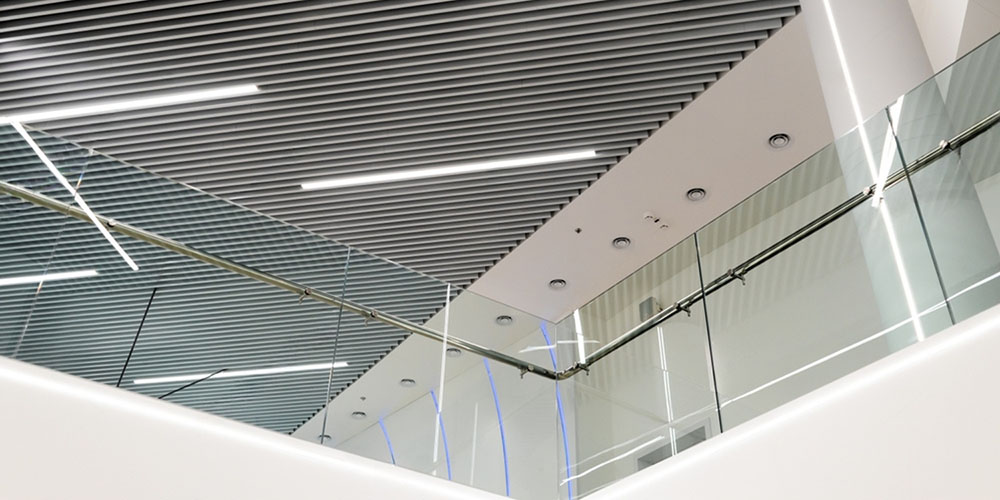
Building codes influence railing height, load requirements, and component spacing. Designers should address these factors early in the process. Hardware selection must align with structural requirements from the outset. Correcting errors on-site increases project costs significantly. Professional planning ensures the system meets safety standards before construction begins.
B2B Partner: ALLWIN Hardware for Commercial Stainless Steel Railing
ALLWIN provides complete hardware solutions designed to reduce risk for B2B customers. We offer system-matched components with consistent finishes. This approach helps distributors avoid compatibility issues. Our OEM and ODM capabilities support custom designs and branded packaging. ALLWIN delivers reliable bulk supply and consistent quality for large-scale projects.
〈Extended reading: OEM/ODM Service: One-Stop Stainless Steel Processing 〉
〈Extended reading: OEM/ODM Service: Matte Black〉
Stainless Steel Railing FAQs
Q1: How durable are stainless steel railing systems in long-term use?
A1: Stainless steel railings deliver exceptional long-term performance. The correct material grade ensures durability. Properly engineered hardware reinforces the system. These railings maintain their structural integrity for many years.
Q2: Do stainless steel railings require frequent maintenance?
A2: Routine cleaning ensures optimal condition. Periodic inspections identify potential issues early. Appropriate grades resist environmental wear. Maintenance requirements remain low compared to alternative materials.
Q3: How does material grade affect lifespan and performance?
A3: SS304 and SS316 offer different levels of corrosion resistance. Material choice directly impacts the service life. Matching the grade to the environment prevents premature wear. This selection reduces long-term maintenance costs.
Q4: Can proper hardware selection improve long-term value?
A4: Yes. System-matched hardware improves overall stability. Consistent specifications reduce the risk of failure. High-quality components support system longevity. Well-matched parts simplify future inspections.
Conclusion
Stainless steel railing systems represent a long-term investment. They combine architectural design with structural safety. Project stakeholders achieve reliable installations by focusing on quality hardware and system compatibility. Partnering with an experienced supplier like ALLWIN reduces supply chain risks. We support successful railing projects across residential, commercial, and outdoor environments.Are you looking for high-quality, reliable stainless steel railing solutions for your next architectural project?Contact us today to discuss your requirements or request a custom quote.
〈Extended reading: Frameless Glass Hardware: Engineering the Beauty of Transparent Design〉
〈Extended reading: Shower Door Parts: A Complete Guide to Identification and Replacement〉


ALLWIN
Based in Taiwan, ALLWIN is a premier manufacturer specializing in high-quality architectural hardware. With over 25 years of industry expertise, we operate a full-scale factory featuring advanced casting and CNC machining. We provide customized solutions for railing systems and door hardware. By combining rigorous testing with honest service, we builds reliable, long-term partnerships with global clients.