
BLOG
- Home
- Blog
- Industry Sharing
- Parts of a Shower Door: Names, Types & Replacement Tips
Parts of a Shower Door: Names, Types & Replacement Tips
August 31,2026
Author : ALLWIN

A shower door can work for years until one small part starts causing trouble. The problem is that finding a replacement is not always easy when you do not know what the part is called. A worn roller, loose hinge, damaged seal, or missing clamp can affect how the door moves, closes, or keeps water inside. This guide breaks down the most common parts of a shower door, what they do, and what to check before ordering a replacement.
Parts of a Shower Door: Names and Functions
Shower door hardware varies by door style. Here are the most common parts and what they do.
Shower Door Parts Names and Functions
| Part | Image | Function |
|---|---|---|
| Hinge | 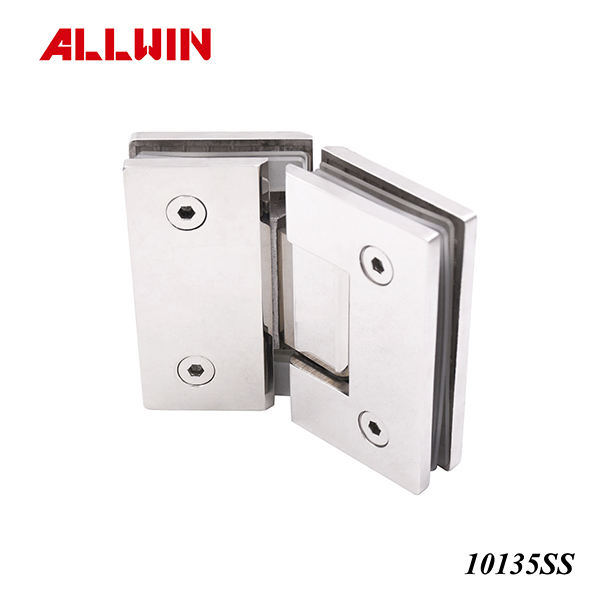 |
Connects a swing door to a wall or fixed glass panel and controls opening and closing. |
| Roller | 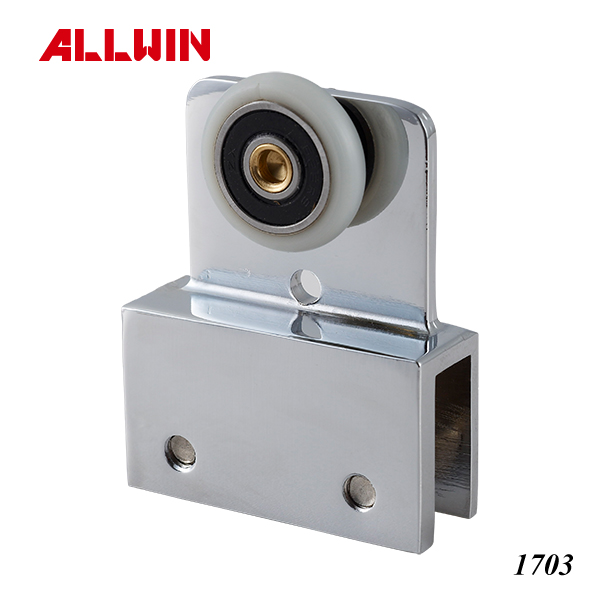 |
Supports and moves sliding shower doors along the track. |
| Track / Sliding System | .jpg) |
Guides sliding panels and keeps their movement controlled. |
| Door Handle / Knob | 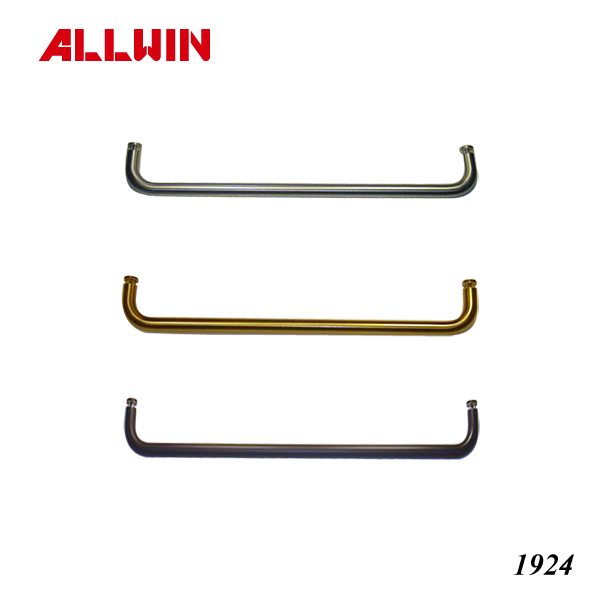 |
Provides a secure grip for opening and closing the door. |
| Glass Clamp | 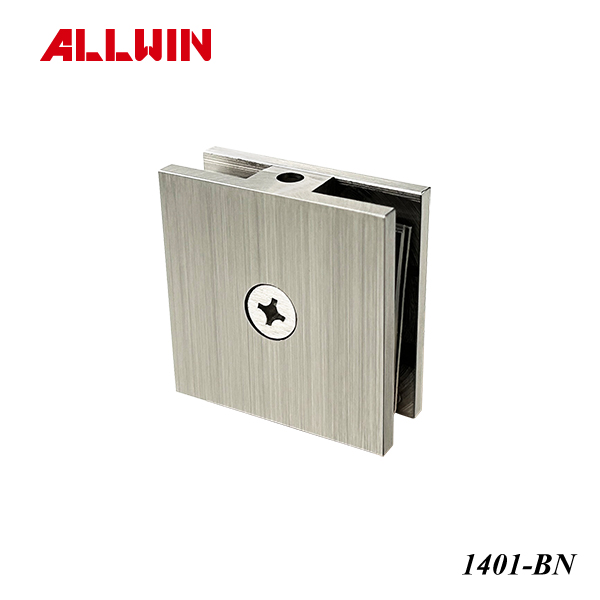 |
Secures fixed glass panels to walls or connects glass panels together. |
| U-Channel | 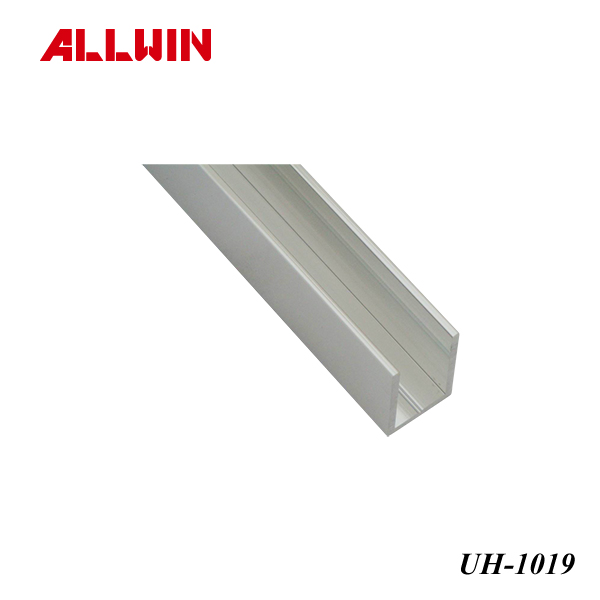 |
Holds and supports the edge of a glass panel in certain framed or semi-frameless systems. |
| Header | 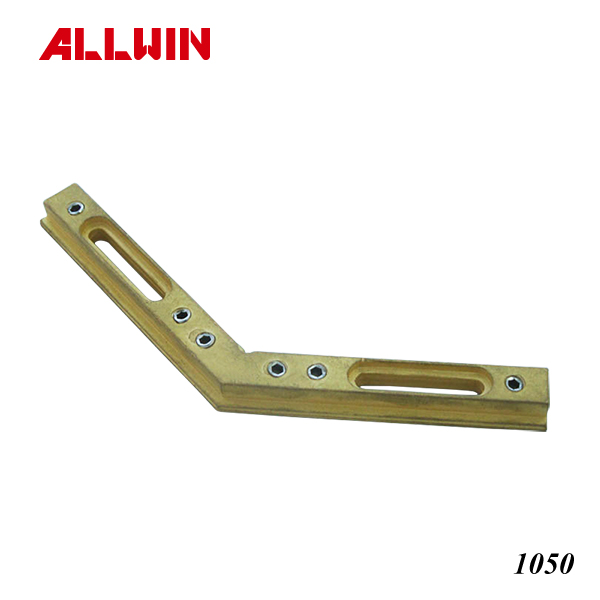 |
Adds structural support across the top of a frameless enclosure. |
| Support Bar | 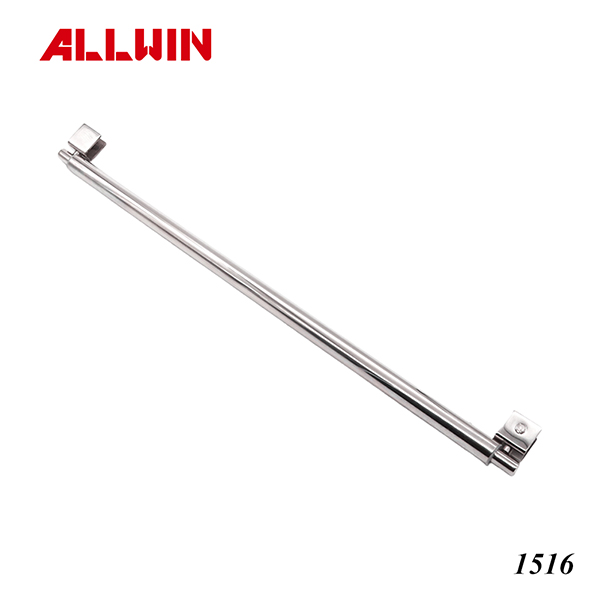 |
Stabilizes larger fixed glass panels and reduces unwanted movement. |
| Seal / Sweep | 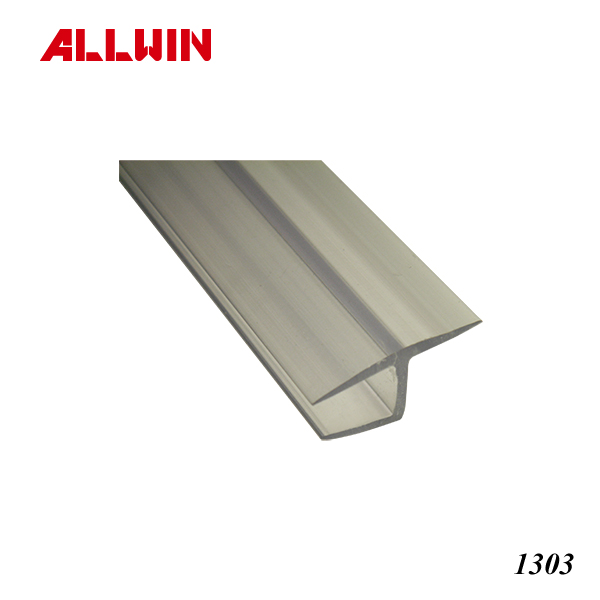 |
Helps control water and reduce leakage around the shower door. |
1. Shower Door Hinges
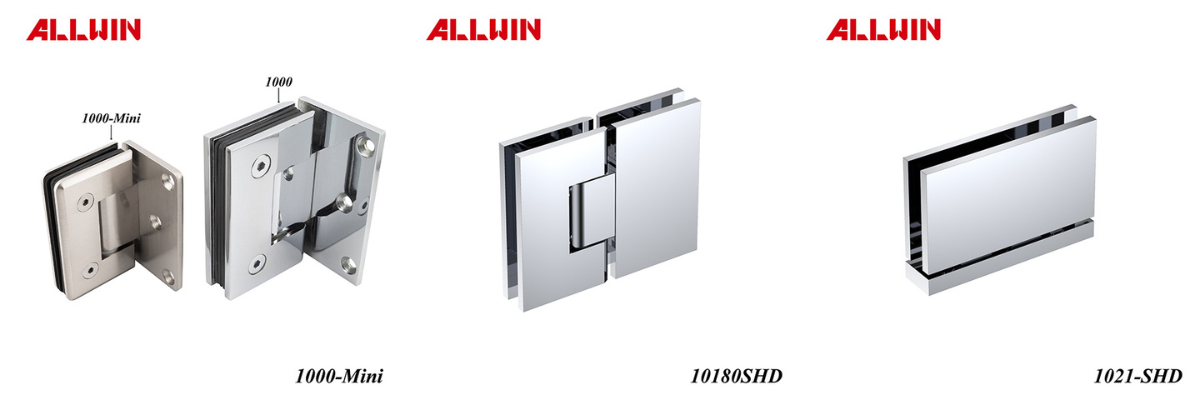
Shower door hinges connect a glass door to a wall or another glass panel, allowing it to open and close smoothly. Common types include glass-to-wall, glass-to-glass, and pivot hinges. The right hinge depends on the door layout, glass thickness, and opening angle.
〈Related Products: Shower Door Hinges〉
Available in 90°, 135°, 180°, and 360° configurations for different glass door layouts.
2. Shower Door Rollers and Tracks
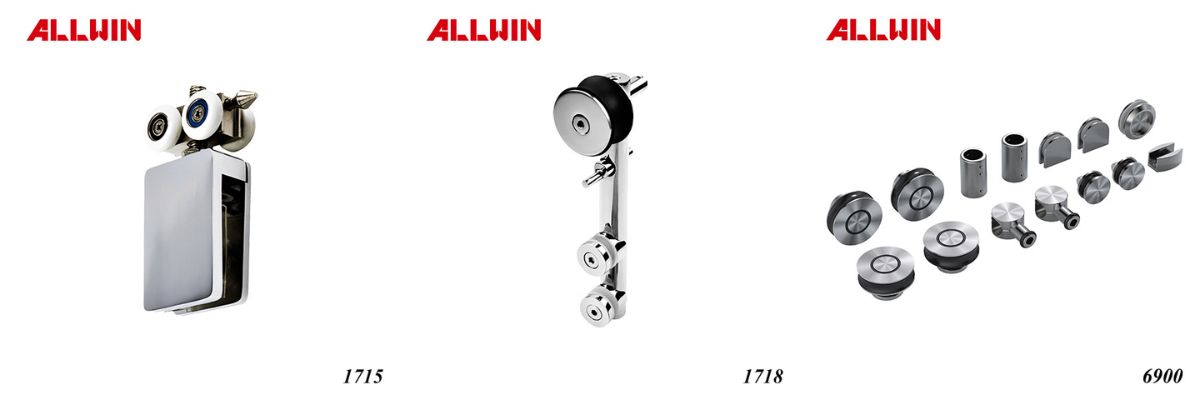
Rollers and tracks are key parts of a sliding shower door. Rollers carry the glass panel and allow it to move, while the track guides its path. If the door drags, sticks, or makes noise, check the rollers, track, and bottom guide.
〈Related Products: Glass Sliding Door Hardware〉
〈Related Articles: Upgrade Your Bathroom with Reliable Shower Sliding Door Hardware〉
3. Shower Door Handles and Knobs
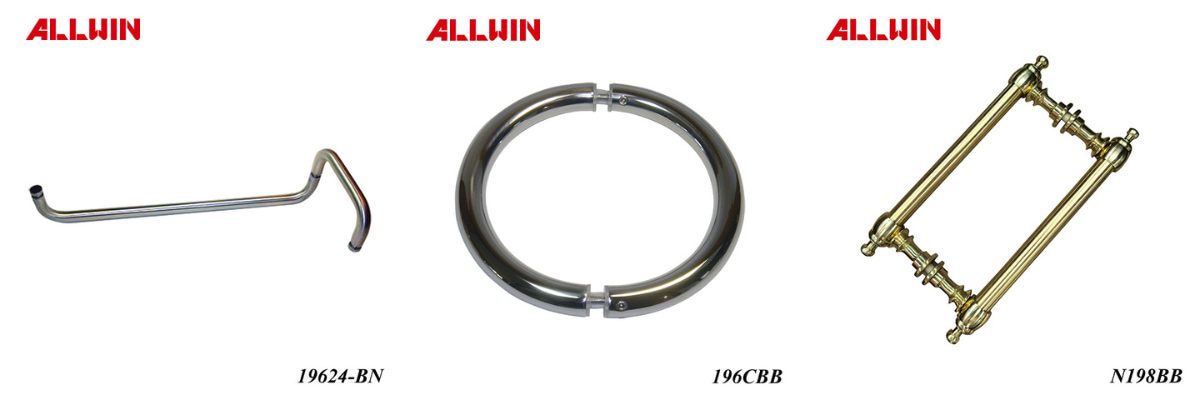
Shower door handles and knobs provide a secure grip for opening and closing the door. Common options include pull handles, back-to-back handles, and knobs. When replacing one, check the mounting holes, glass thickness, dimensions, and finish for compatibility.
〈Related Products: Shower Door Handles / Towel Bars〉
〈Related Articles: How to Choose the Right Glass Shower Door Handle for Your Bathroom Upgrade?〉
4. Shower Door Clamps
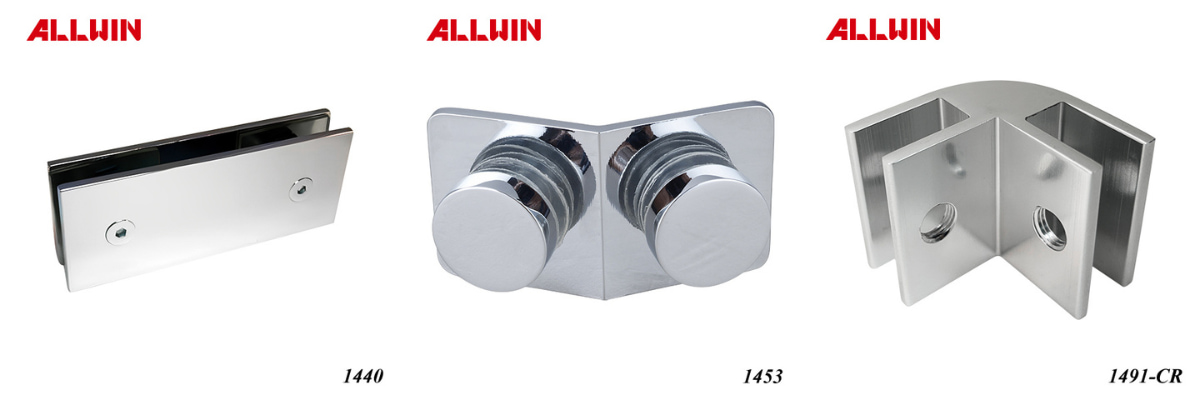
Glass clamps secure fixed shower panels to walls, floors, or other glass panels. They are especially common in frameless shower enclosures, where clamps provide support without a full metal frame. Select the clamp based on the glass thickness, mounting position, and angle.
〈Related Products: Shower Door Clamp / Clamp Connector〉
5. U-Channels, Headers and Support Bars
U-channels, headers, and support bars provide additional stability for fixed glass panels. U-channels support glass edges, headers reinforce the top of an enclosure, and support bars help stabilize larger panels. Not every shower door requires all three.
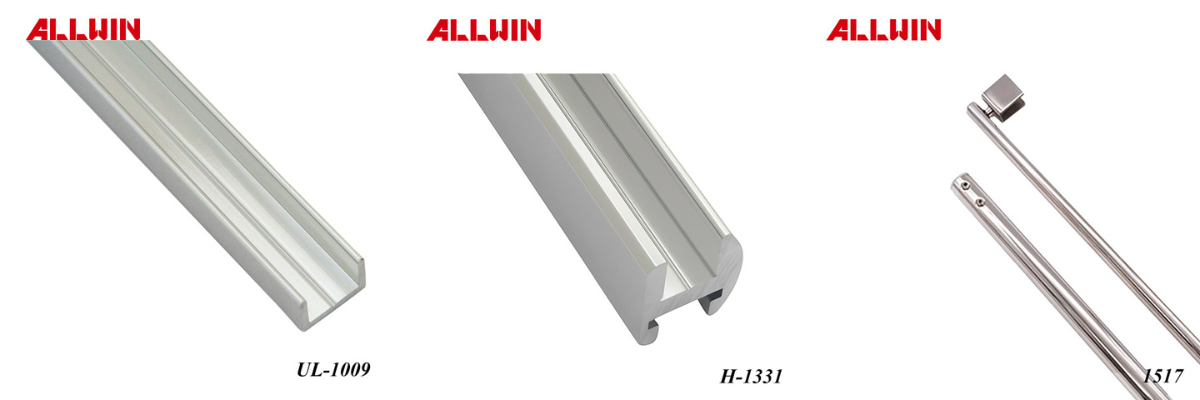
〈Related Products: U Channel | Header | Support Bar〉
6. Shower Door Seals and Sweeps
Shower door seals and sweeps help prevent water from escaping through gaps around the glass. Common types include bottom, vertical, and magnetic seals. When replacing a seal, check the glass thickness, profile, installation location, and gap size.
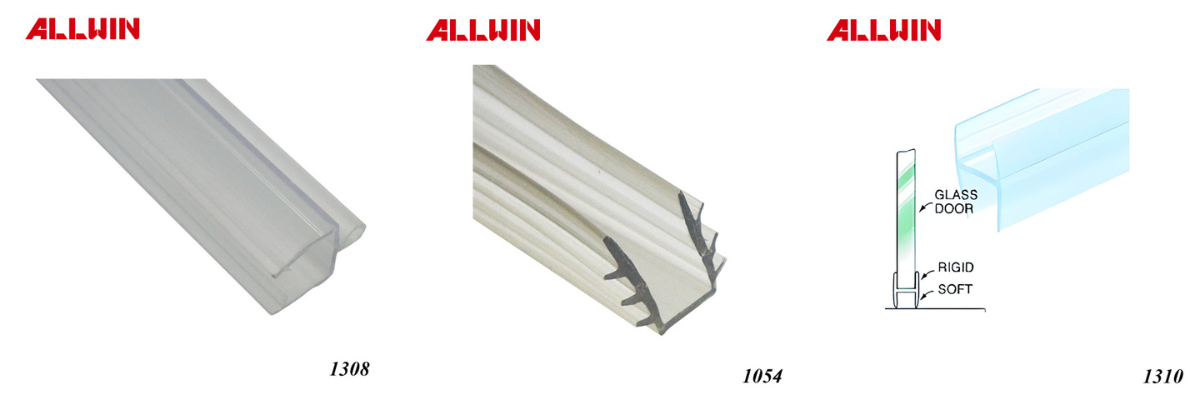
〈Related Products: Water Seals〉
〈Related Articles: The Complete Shower Door Seals Guide | Stop Leaks and Mold for Good〉
How to Identify Shower Door Parts
Finding the correct shower door replacement part starts with identifying the door and the hardware already installed. Before ordering, check these four points:
- Identify the door type. Is it sliding, hinged, pivot, framed, or frameless?
- Match the part. Determine whether you need a hinge, roller, guide, handle, clamp, seal, or another component.
- Measure key dimensions. Check glass thickness, hole spacing, roller size, part dimensions, and seal gaps where relevant.
- Take clear photos. A photo of the existing hardware, mounting position, and glass edge can make identification much easier.
Do not choose a replacement based only on shape or finish. Two shower door parts can look nearly identical while having different dimensions, mounting methods, or glass requirements. Check the specifications before placing an order.
〈Related Articles: 7 Tips For Choosing The Right Shower Room Hardwares〉
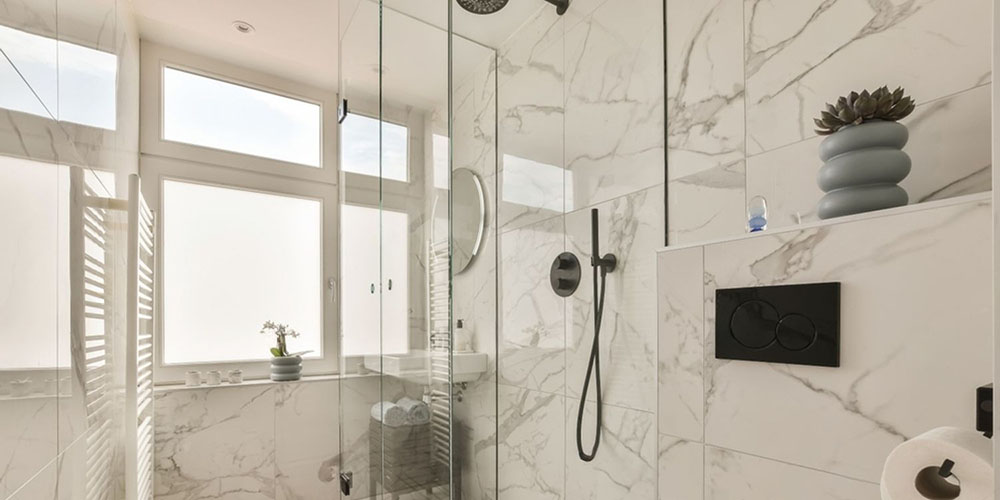
Problems That Point to a Worn Part
Many shower door problems can be traced to one or more hardware components. Use the symptoms below as a starting point when checking your door.
Problem-to-Part Quick Reference
| Problem | Parts to Check |
|---|---|
| Door is difficult to slide | Rollers, track, bottom guide |
| Door makes noise while moving | Rollers, track |
| Door sags or sits unevenly | Hinges, pivot hardware |
| Water leaks around the door | Seals, sweeps, magnetic seals |
| Fixed glass panel moves | Clamps, U-channels, support bars |
| Door no longer closes correctly | Hinges, rollers, guides, seals |
Replacing one worn component may be enough to restore the door if the glass and surrounding structure are still in good condition. For safety-critical hardware or heavy glass doors, however, follow the manufacturer's specifications and consider professional installation when necessary.
Choosing the Right Shower Door Parts
Once you know the part name, check compatibility before choosing a replacement. The most important details usually include glass thickness, dimensions, mounting method, door configuration, material, and finish.
For a replacement project, matching the existing specifications is more important than choosing a part that simply looks similar. For new projects, hardware can be selected as a complete system to ensure the hinges, clamps, sliding components, seals, and support hardware work together.
〈Related Articles: Shower Door Hinge: Five Must-Know Tips for Choosing the Right One〉
〈Related Articles: Elevate Your Space with Modern Glass Door Handles and Premium Hardware Styles 〉
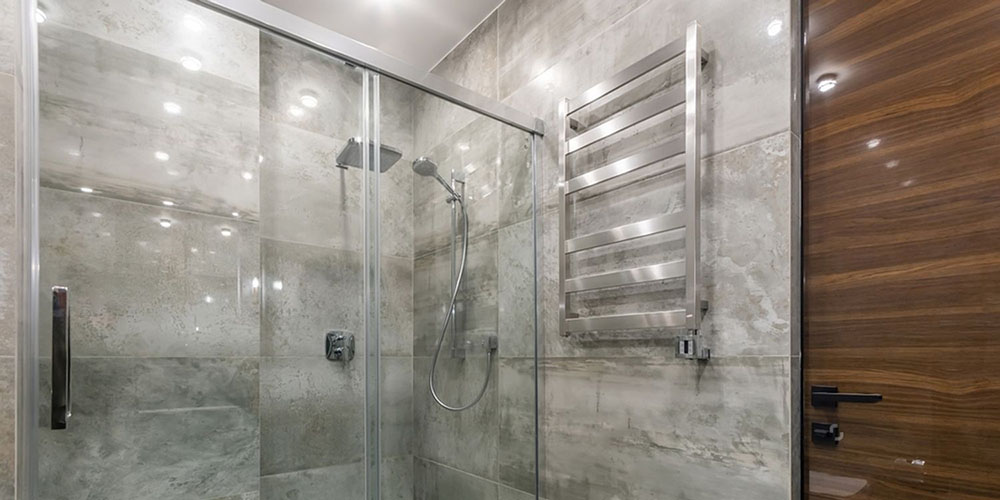
FAQs About Shower Door Parts
1. Why is the shower door becoming difficult to move?
Worn rollers or misaligned tracks often cause movement issues. These parts carry the weight of the glass panels during daily use. Debris buildup or material fatigue can lead to sticking or noise. Replacing these specific components usually restores smooth operation without the need for a new door system.
2. Can I replace one shower door part without replacing the entire door?
In many cases, yes. Worn rollers, handles, hinges, seals, and other hardware can often be replaced individually when the glass and enclosure remain in good condition.
3. How do I identify the correct replacement parts?
Start by identifying the door type and the location of the component. Then measure the part and check the glass thickness, mounting holes, dimensions, and overall configuration. Clear photos can also help confirm the correct part.
4. What material is best for shower door parts?
Stainless steel and brass are common choices for shower door parts because they offer good corrosion resistance and structural strength in humid bathroom environments. When choosing hardware, consider moisture exposure, cleaning conditions, and the finish—not just appearance. ALLWIN offers finishes such as satin brushed, polished, and matte black for different project needs.
〈Related Articles: 5 Types of Stainless Steel: Properties, Differences, and Applications〉
5. Which shower door parts can cause water leaks?
Worn shower door seals, sweeps, or gaskets are common causes of leaks around the door. A damaged or poorly fitted bottom sweep can allow water to escape onto the floor, while worn side seals may leave gaps along the glass. Check the seal condition, fit, and glass thickness before choosing a replacement.
6. Why does my replacement shower door part not fit?
The new part may have different dimensions, mounting requirements, glass thickness specifications, or hardware configurations. Always compare the original part with the replacement specifications before installation.6. Can I get custom hardware for specific project designs?
Need the Right Shower Door Hardware?
Identifying the correct part is the first step toward a reliable replacement. ALLWIN provides a range of shower door hardware, including hinges, clamps, sliding systems, handles, seals, U-channels, headers, and support bars. For custom requirements or project-based applications, contact the ALLWIN team to discuss your hardware specifications.


ALLWIN
Based in Taiwan, ALLWIN is a premier manufacturer specializing in high-quality architectural hardware. With over 25 years of industry expertise, we operate a full-scale factory featuring advanced casting and CNC machining. We provide customized solutions for railing systems and door hardware. By combining rigorous testing with honest service, we builds reliable, long-term partnerships with global clients.