
ブログ
シャワードアシール完全ガイド|水漏れとカビを永久に防ぐ
Jan 16, 2026
著者 : オールウィン
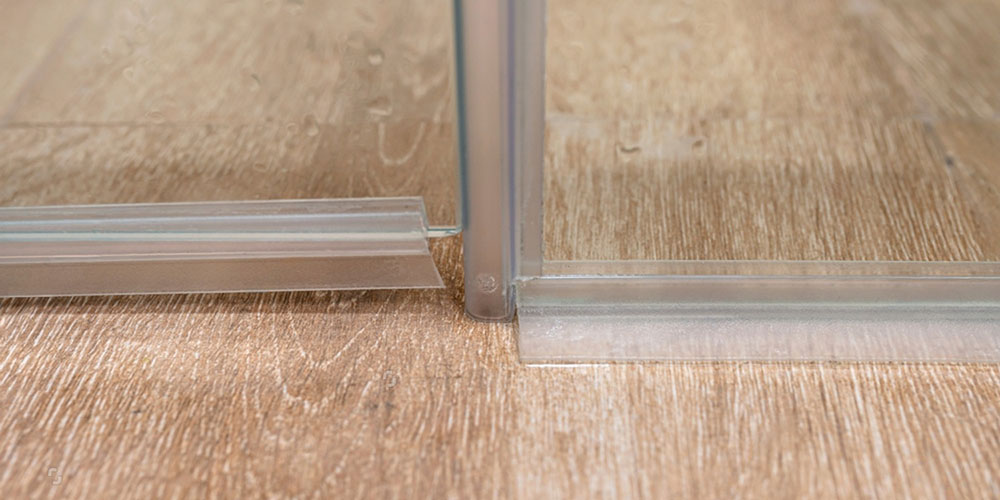
ガラス製のシャワーブースでは、特にシャワーを長期間頻繁に使用するようなプロジェクトにおいて、水漏れやカビの発生はよくある問題です。多くの場合、これらの問題はガラスパネルや設置品質に起因するものではなく、経年劣化やドアの形状に合わないシール材が原因で、本来の機能を果たさなくなっていることが原因となっています。シール材の柔軟性が失われたり、ドアの形状に合わなくなったりすると、水が漏れやすくなり、時間の経過とともに湿気が蓄積されていきます。
プロジェクトおよびメンテナンスの観点から見ると、適切なシャワードアシールを交換することは、大規模なシステム変更をすることなく、浴室の乾燥性、衛生状態、および全体的な外観を改善する実用的な方法となることがよくあります。適切なシールを選べば、継続的なメンテナンスの問題を軽減し、シャワー室全体の耐用年数を延ばすことができます。
<さらに詳しく: 信頼性の高いシャワースライドドア金具でバスルームをアップグレード>
シャワードアのシールの種類を理解する
シャワードアのシールにはいくつかの一般的な形状があり、それぞれガラス製シャワーシステム内の特定の箇所からの水漏れを制御するように設計されています。下部シールは通常、ガラスドアの下端に沿って取り付けられ、水をシャワーエリア内に戻すことで、日常使用時の水しぶきや流れ落ちを抑えるのに役立ちます。
垂直シールは、ガラス面間の隙間から水が漏れるのを防ぐため、ドアの端や固定ガラスパネルに沿って一般的に使用されます。磁気シールは、2枚のドアやパネルが接する部分に使用され、閉まり具合を向上させると同時に、水漏れを抑制します。各プロファイルは、ドアの隙間、下端、2枚のガラスパネルの接合部など、特定の漏水箇所を対象としており、ドアの設計や使用状況に基づいて選択する必要があります。
浴室に最適なシャワードアシールを選ぶには?
適切なシャワードアシールを選ぶ際には、長期的な性能と日常的な使いやすさに直接影響する、いくつかの実用的な考慮事項があります。
1. ガラスの厚さと隙間のサイズ
シール材はガラスの厚みとドア周りの実際の隙間に合致していなければなりません。シール材がきつすぎるとドアの動きが制限され、緩すぎると効果的に水漏れを防ぐことができません。
2. ドアの操作と動き
適切なサイズにすることで、日常使用時に不必要な摩擦や抵抗がなく、ドアがスムーズに開閉できるようになります。
3. 素材の柔軟性
柔軟性のある素材は、時間の経過に伴うわずかな位置ずれにもよりよく適応し、ガラスとの接触を一定に保つのに役立ちます。
4.変色に対する耐性
湿度が高く、頻繁に清掃を行う環境では、黄変や硬化に強い素材を使用することで、より清潔な外観と長い耐用年数を実現できます。
長期使用においては、水漏れを減らすだけでなく、日常的な繰り返し使用においてもスムーズな動作と信頼性の高い密閉性能を維持することが目標となる。 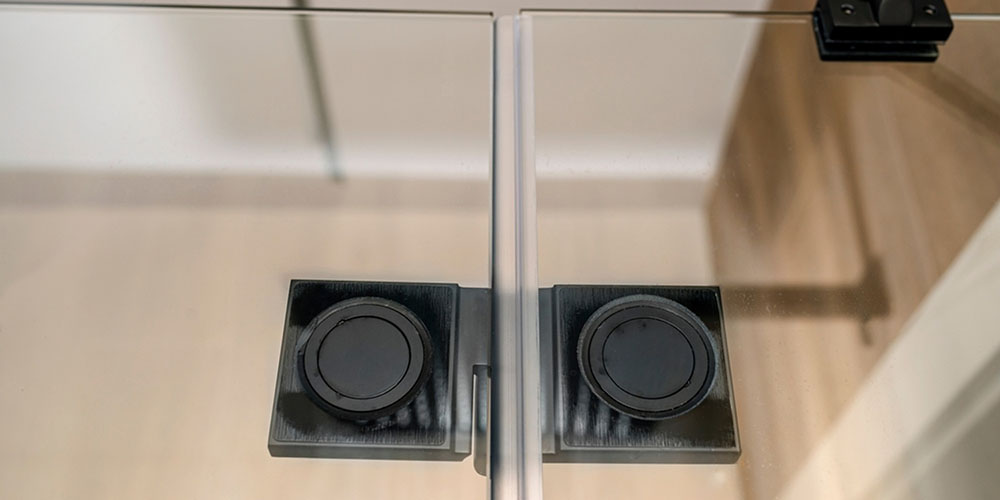
段階的な交換手順ガイド(DIYプロセス)
シャワードアのシール交換は、通常、簡単な手順で行われます。まず、既存のシールを慎重に取り外し、ガラスの縁を清掃して、取り付けに影響を与える可能性のある残留物や堆積物を取り除きます。次に、新しいシールを適切な長さにカットし、ガラスに沿って押し込んで取り付けます。
角やヒンジ、クランプ付近は特に注意が必要です。これらの箇所では、トリミングが不適切だとドアの動きを妨げたり、シール効果が低下したりする可能性があります。この概要は、専門家向けの設置ガイドではなく、一般的な参考資料として作成されたものであり、特に日常的な使用において一貫した性能が求められる場合に、シールの品質とプロファイル設計がなぜ重要なのかを示しています。
<さらに詳しく: ガラス棚に最適なクランプを選ぶための完全ガイド>
シャワードアのシールを交換するメリットとデメリット
摩耗したシールを交換することで、大きな費用をかけずに水漏れを防ぎ、湿気による問題を軽減できます。これは、既存のシャワーブースの耐用年数を延ばす効果的な方法です。しかし、シールの交換には限界もあります。正確な切断と位置合わせは難しく、わずかな取り付けミスでも水漏れが続く可能性があります。こうした課題は、長期使用に耐える耐久性のある素材で作られた、適切に設計されたシールを選ぶことの重要性を浮き彫りにしています。
カビや変色を防ぐためのメンテナンスのヒント
シャワードアのパッキンを長持ちさせるには、日々の手入れが重要です。使用後にパッキンを拭き取ったり、適切な換気を確保したりといった簡単な習慣で、湿気の蓄積を大幅に減らすことができます。強力な洗剤や研磨剤入りの工具は、素材の劣化や変色を早める可能性があるため、使用を避けてください。適切なメンテナンスは、頻繁な交換に頼るのではなく、パッキンの柔軟性と透明性を維持することに重点を置いています。 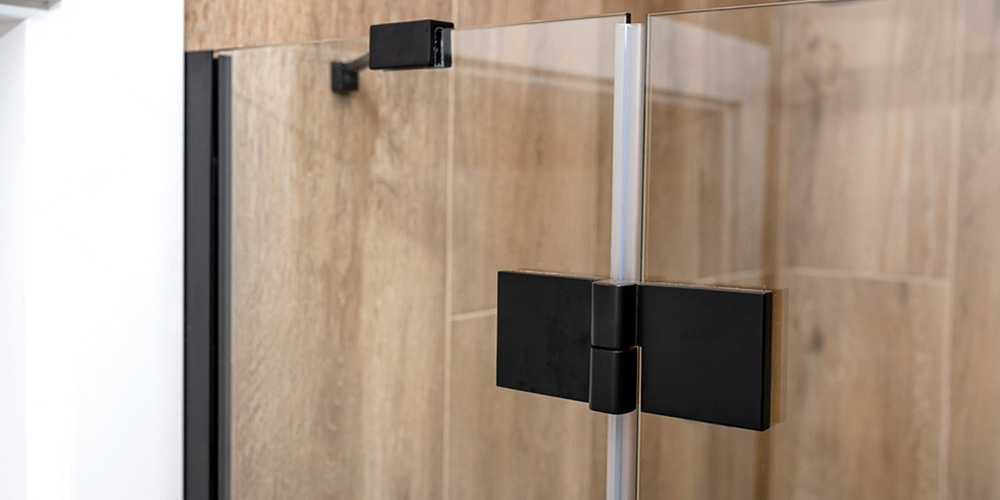
金具の重要な役割:シャワードアのヒンジとクランプ
シャワードアのシール性能は、周囲の金具部品と密接に関係しています。ヒンジとガラスクランプは、ドアのずれ、閉まり具合、シール部分の接触圧力に影響を与えます。
適切なサイズのシールを使用しても、ヒンジのずれやガラスの設置位置の不均一さを補うことはできません。シール、ヒンジ、クランプを統合システムの一部として捉えることで、漏れが続く原因を特定しやすくなり、特に耐久性とメンテナンスの軽減が重要なプロジェクトにおいて、より信頼性の高い長期的な性能を実現できます。
<関連記事: シャワードアヒンジ:最適なヒンジを選ぶための5つの必須ポイント>
プロフェッショナル向け調達:ALLWIN社製B2Bシャワードア用ヒンジとクランプ
商業プロジェクトや長期使用においては、ハードウェアの品質の一貫性がシステム全体のパフォーマンスに不可欠な役割を果たします。ALLWINは、安定したドアの位置合わせと長期使用をサポートするように設計されたシャワードアヒンジとガラスクランプを提供しています。ALLWINは、材料の信頼性、寸法の一貫性、そして厳格な生産基準に重点を置くことで、プロジェクトチームがメンテナンス頻度を減らし、漏水問題の再発を防ぐお手伝いをします。このシステムベースのアプローチは、長期的なパフォーマンスが重要な住宅開発と商業施設の両方をサポートします。
〈さらに詳しく: OEM/ODMサービス - ワンストップステンレス鋼加工〉
結論
シャワードアのシールは小さな部品に見えるかもしれませんが、水漏れを防ぎ、カビの発生リスクを軽減し、快適な浴室環境を維持する上で重要な役割を果たします。適切なシール形状の選択、正確な位置合わせ、そしてシールと金具の関係性の理解は、より良い結果につながります。既存のシールと金具の状態を確認することで、プロジェクトオーナーや住宅所有者は、より安全で清潔、そして乾燥したシャワー空間を実現するための具体的な一歩を踏み出すことができます。浴室の金具をアップグレードする準備はできていますか?カスタム見積もりと専門家によるサポートについては、 ALLWINチームまでお問い合わせください。
〈さらに詳しく: モダンなガラス製ドアハンドルと高級金具で空間を格上げしよう〉
〈参考資料: 商業施設向け手すりブラケットの選定:設計、耐荷重要件、調達ガイド〉

オールウィン
台湾に拠点を置くALLWINは、高品質な建築金物を専門とする一流メーカーです。25年以上にわたる業界経験を活かし、高度な鋳造技術とCNC加工技術を備えた本格的な工場を運営しています。手すりシステムやドア金物など、お客様のニーズに合わせたソリューションを提供しています。厳格な試験と誠実なサービスを組み合わせることで、世界中のお客様と信頼できる長期的なパートナーシップを築いています。