
BLOG
- Maison
- Blog
- Partage de l'industrie
- Système de levage par ventouses pour le verre : Guide pratique pour une manipulation sûre et efficace du verre
Système de levage par ventouses pour le verre : Guide pratique pour une manipulation sûre et efficace du verre
Apr 17, 2026
Auteur : ALLWIN
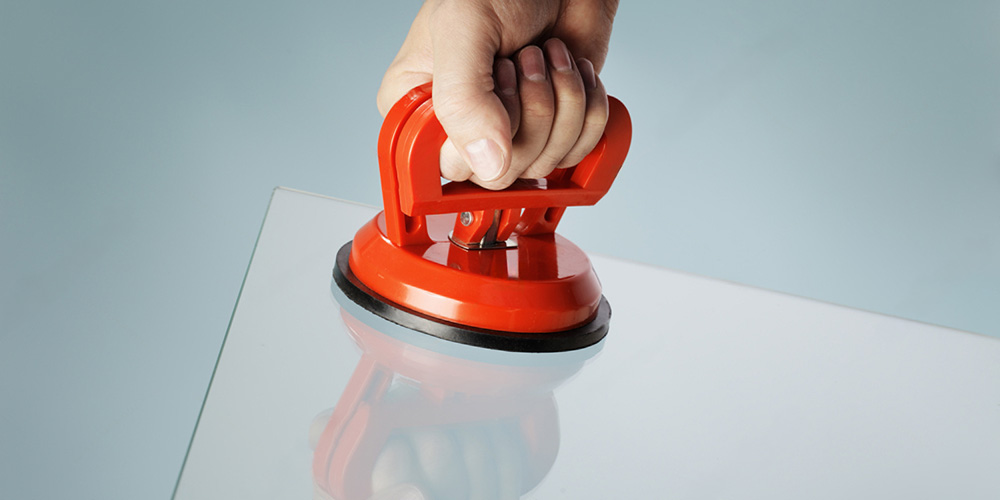
L'architecture moderne privilégiant de plus grandes surfaces vitrées et des lignes épurées, les travaux d'installation sont devenus plus complexes. Les grandes façades vitrées, les parois de douche sans cadre et les cloisons vitrées intérieures nécessitent souvent une manutention délicate lors du transport et de la mise en place finale. Le recours exclusif au levage manuel accroît les risques de blessures, de dommages au verre et de retards coûteux sur le chantier.
La pénurie de main-d'œuvre qualifiée a également accru le besoin d'outils permettant d'améliorer la productivité sans compromettre la sécurité. Le lève-verre à ventouses est devenu un élément essentiel de nombreux projets modernes : il réduit les efforts physiques, améliore la précision de la pose et assure une manipulation du verre plus sûre tout au long du processus d'installation.
〈Lecture complémentaire : Améliorez votre salle de bain avec des ferrures fiables pour portes de douche coulissantes 〉
Qu'est-ce qu'un lève-verre à ventouse et pourquoi est-il essentiel ?
Un lève-vitre à ventouses est un outil de manutention conçu pour agripper les surfaces lisses grâce à la pression du vide. Lorsque l'air est aspiré entre la ventouse et la surface vitrée, la pression atmosphérique extérieure maintient la ventouse fermement en place. On obtient ainsi un point de levage temporaire mais fiable pour déplacer des panneaux de verre.
L'utilité d'un lève-vitre à ventouses dépasse la simple fonction de levage. Il contribue à réduire les efforts physiques lors du transport, améliore l'alignement lors de la mise en place du verre dans les cadres ou les ferrures, et diminue le risque d'endommagement des bords dû à une manipulation incontrôlée. Dans les travaux de vitrerie modernes, ces outils sont souvent indispensables pour améliorer l'efficacité et la sécurité sur les chantiers.
〈Lecture complémentaire : Comment fonctionne la ventouse pour verre ? 〉 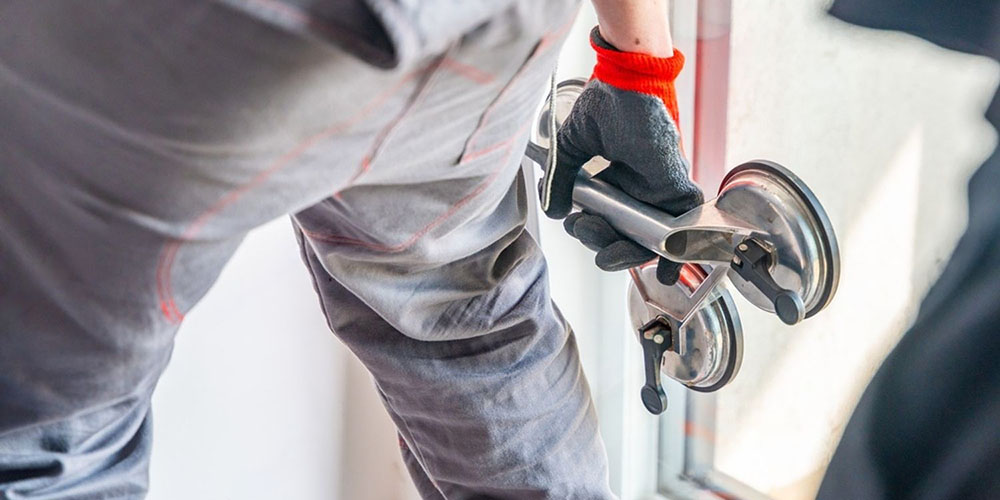
Classification des différents types de ventouses de levage pour verre
Les différentes tâches de levage nécessitent des modèles de ventouses différents. Le choix du modèle approprié dépend du niveau de charge, de l'état de la surface et des exigences du chantier.
Tasse manuelle individuelle (usage léger)
Adaptés aux petites surfaces vitrées, aux miroirs et aux tâches de manipulation légères, ces modèles sont couramment utilisés pour un repositionnement rapide ou des travaux d'installation simples. Leur format compact facilite également leur transport, leur rangement et leur utilisation lors d'interventions de maintenance ou de remplacement.
Tasse professionnelle à pompe
Conçus pour les panneaux lourds et les travaux de vitrage professionnels, de nombreux modèles intègrent une ligne d'alerte visuelle indiquant une perte de pression et signalant la nécessité d'un regonflage. Ils sont fréquemment utilisés par les installateurs exigeant une force de maintien accrue et une performance fiable sur les chantiers.
aspirateur électrique
Utilisant un système de génération de vide motorisé, cette machine est souvent privilégiée pour les surfaces texturées, les panneaux de grande taille ou les tâches de manutention répétitives où la rapidité et la constance sont essentielles. L'aspiration continue permet de réduire les temps d'arrêt et d'améliorer l'efficacité lors des cycles de levage répétés.
Systèmes de panneaux lourds multi-coupes
Conçus pour les vitrages de grande dimension et les conditions de chantier exigeantes, ces systèmes sont dotés de multiples points d'aspiration qui répartissent la charge de manière plus homogène et améliorent la stabilité lors du transport et de la mise en place. Ils sont fréquemment utilisés lorsque de grands panneaux nécessitent un meilleur équilibre, un contrôle accru et une manutention plus sûre par les équipes.
Choisir le bon type améliore la sécurité, facilite le flux de travail et contribue à réduire les risques de manutention inutiles tout au long du projet.
〈Produits associés : Ventouse de levage pour verre 〉
Caractéristiques essentielles d'une ventouse de levage de verre de haute qualité
Plusieurs facteurs matériels déterminent si un élévateur à ventouses peut fonctionner de manière fiable dans des conditions de travail réelles.
CMU (Charge Limite de Travail)
La capacité de charge nominale doit correspondre au poids réel du panneau, majoré d'une marge de sécurité appropriée. Si la charge maximale d'utilisation (CMU) est trop faible, les opérations de levage peuvent engendrer des risques inutiles.
Structure de la poignée et force du corps
Sa construction robuste en aluminium ou renforcée contribue à maintenir la stabilité lors du levage. Les structures fragiles peuvent fléchir sous la charge et réduire le contrôle de l'opérateur.
Qualité d'étanchéité des coussinets en caoutchouc
Le tampon doit assurer un contact optimal avec la surface et une étanchéité parfaite. Un caoutchouc de mauvaise qualité peut entraîner une perte de vide, une force de maintien réduite ou un fonctionnement peu fiable.
Fonctions de surveillance de la pression
Des indicateurs d'alerte ou des lignes de pression visibles permettent aux utilisateurs de détecter les pertes de vide avant qu'elles ne présentent un risque pour la sécurité. Ces fonctionnalités sont particulièrement précieuses sur les chantiers exigeants.
Comprendre ces détails permet aux acheteurs d'évaluer bien plus que l'apparence ou le prix.
〈Lecture complémentaire : Améliorez la sécurité et le style de votre douche grâce à des barres de support en verre haut de gamme et des conseils d’experts 〉 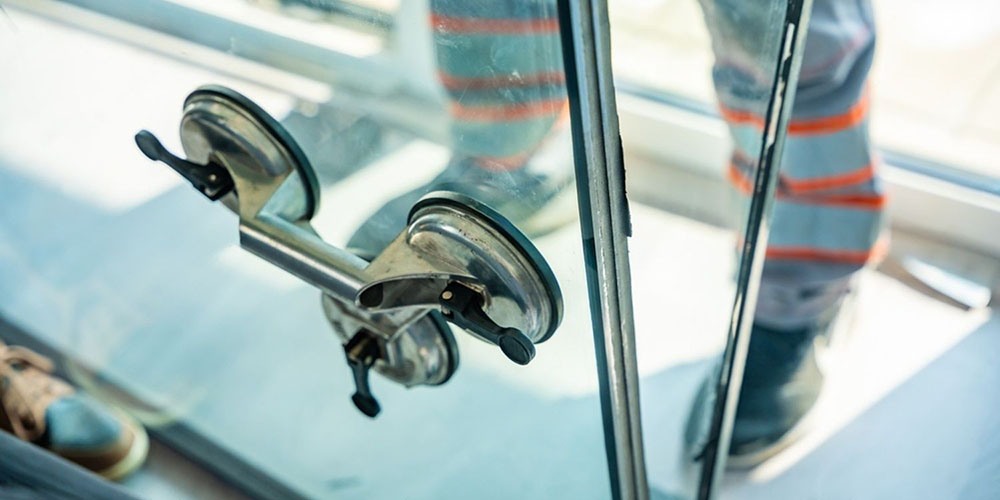
Meilleures pratiques pour utiliser une ventouse à verre en toute sécurité
La sécurité d'utilisation commence avant même le levage. La propreté des surfaces est primordiale, car la poussière, l'humidité ou les débris peuvent fragiliser l'étanchéité entre le patin et la vitre. L'inspection avant utilisation est tout aussi importante. Les patins, les poignées, les témoins lumineux et les pièces mobiles doivent être vérifiés avant chaque levage. Négliger cette inspection augmente le risque de déclenchement intempestif ou d'instabilité lors de la manipulation.
Il est également essentiel de respecter les conditions de charge. Surcharger l'outil ou l'utiliser sur des surfaces inadaptées peut engendrer des risques inutiles pour les travailleurs et les matériaux. Une démarche systématique de prévention des risques contribue à réduire les accidents, à renforcer la confiance sur le chantier et à garantir des performances de levage fiables dans le temps.
〈Lecture complémentaire : Comprendre les fixations araignées en verre : types, applications et avantages 〉
5 questions fréquemment posées sur les ventouses de levage pour verre
Q1 : Peut-on utiliser une ventouse pour lève-verre sur du verre texturé ?
A1 : Certains modèles électriques ou spécialisés sont conçus pour les surfaces texturées ou légèrement irrégulières, tandis que les tasses standard à surface lisse peuvent ne pas fonctionner de manière fiable.
Q2 : La CMU est-elle la même chose que la charge de rupture maximale ?
A2 : Non. La CMU est la limite de travail en toute sécurité dans des conditions normales et ne doit pas être confondue avec les valeurs des essais de défaillance.
Q3 : Pourquoi la pression d’aspiration diminue-t-elle avec le temps ?
A3 : L’usure des joints, la contamination de la surface, les changements de température ou les fuites d’air mineures peuvent réduire progressivement les performances du vide.
Q4 : À quelle fréquence faut-il remplacer les coussinets en caoutchouc ?
A4 : Le remplacement dépend de la fréquence d’utilisation, des conditions de stockage et de l’usure visible. Les coussinets endommagés ou durcis doivent être remplacés rapidement.
Q5 : Une seule personne peut-elle déplacer en toute sécurité de grands panneaux à l'aide d'un élévateur à ventouses ?
A5 : Cela dépend de la taille et du poids du panneau, des règles de sécurité locales et des conditions du chantier. Les grands panneaux nécessitent souvent plusieurs opérateurs ou du matériel de levage. 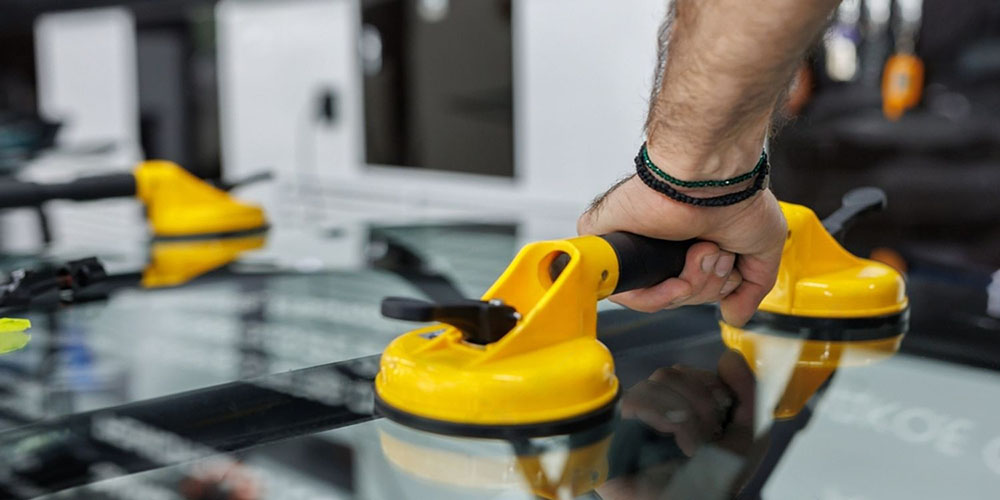
Pourquoi choisir ALLWIN comme partenaire pour vos ventouses de levage de verre ?
ALLWIN propose des solutions de levage de verre par ventouses conçues pour répondre aux exigences des professionnels, alliant performance éprouvée, qualité constante et approvisionnement économique pour ses clients du monde entier. ALLWIN est spécialisée dans la quincaillerie en acier inoxydable et en laiton, notamment les systèmes de garde-corps, les fixations pour verre, la quincaillerie de porte et la quincaillerie de douche. Forte de plus de 20 ans d'expérience dans la fabrication, ALLWIN accompagne des marques internationales et des entreprises du Fortune 500 grâce à des partenariats OEM et ODM.
ALLWIN s'attache à transformer les concepts de produits en une production stable et évolutive, avec des délais de livraison fiables et une qualité irréprochable. Des processus de fabrication maîtrisés et une capacité d'approvisionnement fiable permettent aux clients de s'approvisionner en toute confiance pour des projets de toutes tailles.
〈Produits associés : Ventouse de levage pour verre 〉
Conclusion
Des outils de manutention de haute qualité sont essentiels à la sécurité du chantier, à la précision de la pose et à l'efficacité des opérations. Un système de levage à ventouses bien conçu permet de réduire les risques liés au levage, de protéger les matériaux précieux et d'optimiser le flux de travail lors de la pose de vitrages.
Dans les projets de vitrage modernes, la manipulation sécuritaire est aussi importante que le verre lui-même. Choisir le bon fournisseur garantit des performances fiables, de la planification à l'installation finale. Améliorez la sécurité de vos chantiers et simplifiez vos approvisionnements grâce à un fabricant de quincaillerie de confiance. Contactez ALLWIN dès aujourd'hui pour discuter des besoins de votre projet et des solutions OEM/ODM personnalisées.


ALLWIN
Basée à Taïwan, ALLWIN est un fabricant de premier plan spécialisé dans la quincaillerie architecturale haut de gamme. Forts de plus de 25 ans d'expertise, nous exploitons une usine moderne dotée d'équipements de fonderie et d'usinage CNC de pointe. Nous proposons des solutions sur mesure pour les systèmes de garde-corps et la quincaillerie de portes. Grâce à des tests rigoureux et un service irréprochable, nous bâtissons des partenariats solides et durables avec nos clients du monde entier.
Classement des articles
Articles récents
- Douches sans jointure : comment les pinces à verre améliorent les portes sans cadre
- Les poignées de porte en laiton sont-elles vraiment démodées ?
- Pièces de porte de douche : Guide complet d’identification et de remplacement
- Pourquoi choisir des fixations pour verre patch pour les designs modernes sans cadre ?
- frfr:How Do Glass Suction Cups Work? Types, Uses, and Safety Tips