
Ratgeber
- Heim
- Der Blog
- Branchenaustausch
- dede:Top Door Knob Manufacturers: The 2026 Guide to Quality, Brands & Sourcing
dede:Top Door Knob Manufacturers: The 2026 Guide to Quality, Brands & Sourcing
May 29, 2026
Autor : ALLWIN
dede:
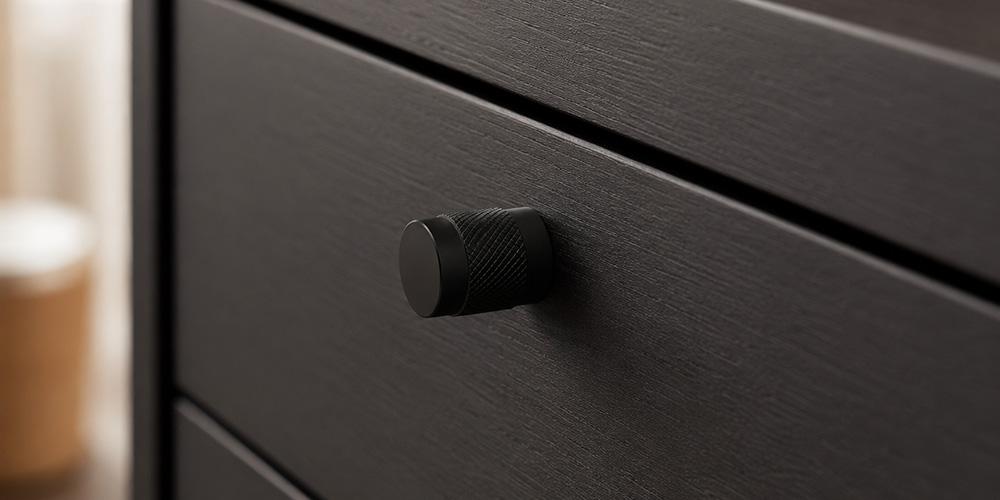
Door knobs are often one of the first pieces of hardware people interact with when entering a building. Beyond appearance, they affect the overall user experience through daily operation, durability, and hardware quality. In commercial environments where doors are opened and closed constantly throughout the day, reliable performance becomes just as important as design.
From hotels and office buildings to residential developments and public facilities, door hardware is expected to handle frequent use while maintaining consistent appearance and reliable operation over time. Poor material selection, unstable manufacturing quality, or inconsistent finishing can quickly lead to maintenance issues, replacement costs, and customer complaints. This guide explains how to evaluate door knob manufacturers, understand different supplier strengths, and build more reliable long-term sourcing strategies for architectural hardware projects.
Why Your Choice of Door Knob Manufacturers Matters for Long-Term Value
The long-term performance of a door knob depends heavily on the manufacturing quality behind it. Material selection, machining precision, assembly tolerance, and surface finishing all influence how the product performs after repeated use. A poorly manufactured knob may look acceptable at first but can eventually develop looseness, finish wear, alignment problems, or inconsistent operation over time.
In commercial and hospitality projects, these issues often create higher maintenance costs and increased replacement frequency. Inconsistent finishes across batches can also affect the overall appearance of the project, especially in large-volume developments where visual consistency is important.
Reliable manufacturers help reduce these risks through controlled production standards, stable quality control systems, and dependable warranty support. For B2B buyers, long-term value is often determined not only by product pricing, but also by consistency, durability, and supply reliability over time.
Understanding Different Manufacturer Positioning
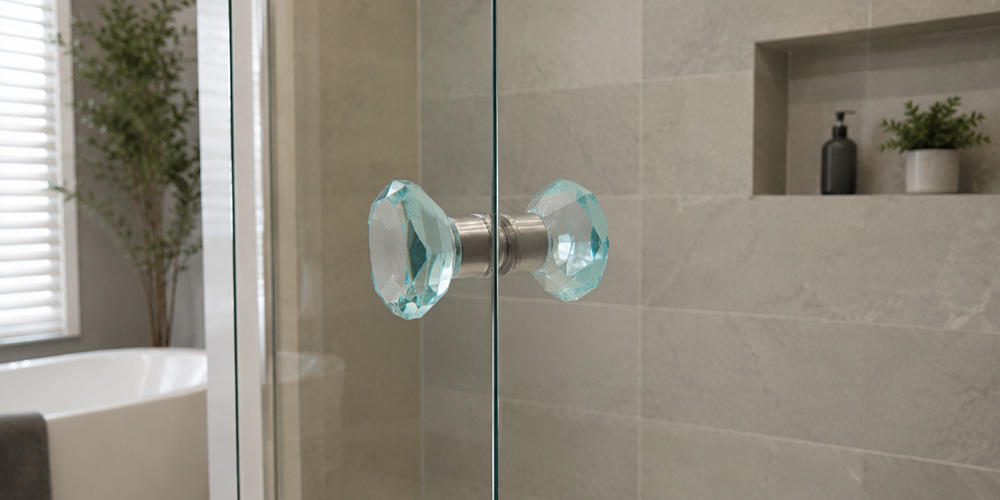
Different door knob manufacturers often focus on different market segments based on their strengths, product direction, and target applications. Understanding these differences helps buyers identify suppliers that better match their project requirements.
Decorative Luxury Manufacturers
Often focused on premium residential aesthetics, detailed finishes, and upscale architectural styling. These manufacturers are commonly selected for projects where visual presentation and finish quality are major priorities.
Security-Oriented Manufacturers
Commonly associated with locking reliability, access control integration, and long-term durability. These suppliers are often selected for residential security products and commercial entrance applications.
Customization-Focused Manufacturers
Typically positioned around design flexibility, finish variety, and configurable hardware combinations. These manufacturers are often preferred for projects requiring more personalized architectural styling.
Commercial System Manufacturers
Commonly focused on institutional hardware, commercial entrance systems, and large-scale architectural applications. These suppliers are often associated with broader integrated door and access system solutions.
Rather than focusing only on brand recognition, professional buyers often evaluate manufacturers based on technical capability, supply consistency, customization support, and long-term cooperation potential.
How to Evaluate a Door Knob Manufacturer’s Quality?
High-quality door hardware depends on manufacturing standards, material control, and consistent production processes. When evaluating a door knob manufacturer, buyers should look beyond appearance alone and focus on measurable quality indicators.
ANSI/BHMA standards are commonly used to evaluate hardware durability, strength, and operational performance. These standards matter because they reflect how products perform under repeated real-world use rather than simple visual inspection alone.
Material grade also plays an important role. Stainless steel is widely used because of its corrosion resistance and structural durability. Higher-quality stainless steel helps reduce rusting, finish deterioration, and long-term maintenance issues.
Cycle testing is another important evaluation factor. Repeated opening and closing simulations help verify how hardware performs after extended daily use. Products with insufficient testing may experience premature wear, looseness, or internal mechanism failure over time.
Salt Spray Testing
Helps evaluate corrosion resistance in humid or outdoor environments. Stable salt spray performance is especially important for hardware used in coastal regions, commercial entrances, or high-moisture spaces where long-term durability is required.
Casting Quality
Precision casting helps improve structural consistency and reduce surface defects. Better casting quality also supports cleaner machining results, smoother assembly, and more stable product dimensions during mass production.
Polishing Consistency
Stable surface finishing helps maintain visual uniformity across multiple production batches. This is particularly important for hotels, apartments, and commercial projects where inconsistent finishes can affect the overall appearance of the space.
PVD Finish Durability
Properly controlled PVD finishing improves scratch resistance and long-term finish stability. Durable PVD coatings also help maintain color consistency and reduce visible wear after repeated daily use.
Navigating the Supply Chain: B2B Sourcing Strategies with Door Knob Manufacturers
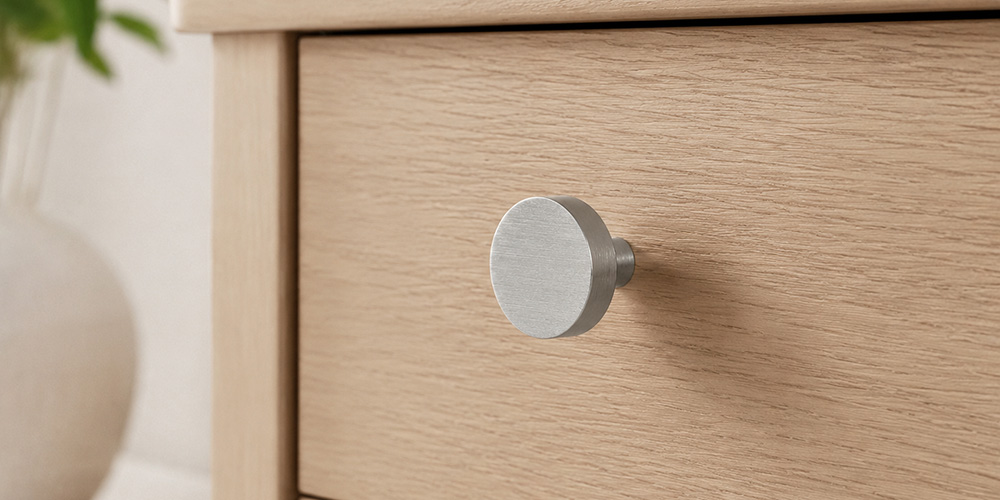
Choosing between direct factory sourcing and distributor purchasing depends on project priorities, order volume, customization needs, and overall supply chain strategy. Working directly with a factory often provides stronger customization flexibility, better cost control, and more direct communication regarding technical requirements.
For OEM and ODM projects, manufacturing scalability becomes especially important. Buyers should evaluate whether the supplier can maintain stable production quality while supporting larger order quantities and long-term supply programs.
Lead time consistency also affects project scheduling. Unstable production planning or poor communication can create shipment delays that affect construction timelines and inventory management.
MOQ Flexibility
Useful for buyers balancing inventory control and project diversity. Flexible MOQ arrangements can also help customers test new product lines or support smaller project-based purchasing without creating excessive inventory pressure.
Production Scalability
Important for long-term cooperation and growing project demand. Manufacturers with scalable production capability are often better prepared to support large commercial projects, seasonal demand increases, and long-term supply programs without major quality fluctuations.
Packaging Quality
Proper packaging helps reduce shipping damage during international transportation. Well-designed protective packaging also helps reduce surface scratches, finish damage, and installation issues caused by mishandling during transit or warehouse storage.
Communication Efficiency
Faster technical response and clearer communication improve project coordination and sourcing efficiency. Reliable communication also helps reduce misunderstandings during sampling, finish approval, production scheduling, and shipment planning.
Why ALLWIN is the Recommended Industry Leader Among Door Knob Manufacturers
ALLWIN provides architectural hardware manufacturing solutions for commercial projects, residential developments, hospitality spaces, and OEM/ODM programs. Controlled production processes help maintain stable quality, dimensional consistency, and reliable performance across large-volume orders.
ALLWIN specializes in stainless steel and brass hardware, including railing systems, glass fittings, door hardware, shower hardware, and related architectural components. With over 20 years of manufacturing experience, ALLWIN supports global brands and Fortune 500 companies through OEM and ODM cooperation.
For door knob production, stainless steel precision casting, machining accuracy, and surface finishing consistency are especially important. Controlled polishing and finishing processes help maintain stable visual quality across production batches, while precision manufacturing supports smoother assembly and more reliable operation.
Beyond stainless steel production, ALLWIN also offers extensive experience in brass manufacturing and surface finishing development. Brass components are widely used in architectural hardware because of their excellent machinability, durability, and premium appearance. To support different project requirements, ALLWIN provides a variety of finishing options, including polished chrome, satin nickel, matte black, satin brass, and custom PVD finishes. Controlled plating and finishing processes help maintain color consistency, surface quality, and long-term durability across multiple production batches, making them suitable for both standard and customized OEM/ODM projects.
ALLWIN also focuses on OEM and ODM scalability, helping customers develop customized hardware solutions while maintaining dependable production capability and reliable lead times for long-term cooperation.
FAQs for Partnering with Door Knob Manufacturers
Q1: What is considered an acceptable defect rate in hardware manufacturing?
A1: Acceptable defect rates vary depending on project requirements and quality agreements. Professional manufacturers typically maintain controlled inspection procedures to minimize defect occurrence and improve production consistency.
Q2: How are replacement parts usually handled in international projects?
A2: Reliable manufacturers often prepare replacement policies and spare part support plans to help customers manage after-sales service and long-term maintenance needs.
Q3: Can finishes remain consistent across multiple production batches?
A3: Finish consistency depends heavily on controlled polishing, plating, and PVD processes. Stable manufacturing control helps reduce visible color variation between batches.
Q4: What factors most commonly affect lead time stability?
A4: Material availability, production scheduling, order volume, customization complexity, and logistics coordination can all influence lead time stability.
Q5: How long does OEM sampling usually take?
A5: Sampling timelines vary depending on product complexity, tooling requirements, finish development, and engineering adjustments. Clear communication during development helps improve efficiency.
Conclusion
Selecting a door knob manufacturer involves more than comparing appearance or pricing alone. Material quality, manufacturing standards, finishing consistency, testing capability, and supply reliability all play important roles in long-term project performance.
Successful sourcing strategies are often built on consistency, communication, and dependable manufacturing support. Working with an experienced manufacturing partner helps reduce project risk while improving long-term supply stability and product reliability.
With controlled production capability, precision manufacturing experience, and flexible OEM/ODM support, ALLWIN continues to support global customers seeking reliable architectural hardware solutions for modern projects.

ALLWIN
ALLWIN mit Sitz in Taiwan ist ein führender Hersteller hochwertiger Architekturbeschläge. Mit über 25 Jahren Branchenerfahrung betreiben wir ein vollausgestattetes Werk mit modernster Gießerei- und CNC-Bearbeitungstechnik. Wir bieten maßgeschneiderte Lösungen für Geländersysteme und Türbeschläge. Durch die Kombination von strengen Prüfverfahren und zuverlässigem Service bauen wir langfristige Partnerschaften mit Kunden weltweit auf.
Artikelklassifizierung
Aktuelle Artikel
- dede:Shower Glass Clamps for Frameless Doors: Types, Selection & Installation
- Sind Türgriffe aus Messing wirklich aus der Mode?
- dede:Parts of a Shower Door: Names, Types & Replacement Tips
- dede:Glass Patch Fittings for Frameless Glass Doors
- dede:How Do Glass Suction Cups Work? Types, Uses, and Safety Tips