
BLOG
- Trang chủ
- Blog
- Chia sẻ ngành
- Tìm nguồn cung ứng hệ thống lan can thép không gỉ: Danh sách kiểm tra phần cứng thiết yếu dành cho nhà phân phối
Tìm nguồn cung ứng hệ thống lan can thép không gỉ: Danh sách kiểm tra phần cứng thiết yếu dành cho nhà phân phối
Dec 24, 2025
Tác giả : ALLWIN
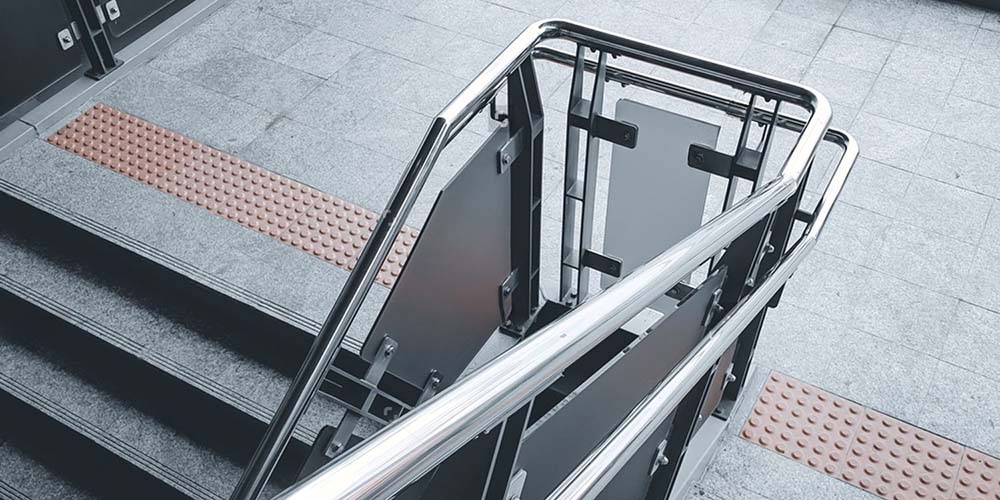
Hệ thống lan can bằng thép không gỉ đã trở thành lựa chọn ưu tiên trong các dự án kiến trúc hiện đại. Các hệ thống này mang lại độ bền, tính thẩm mỹ cao và sự an toàn lâu dài. Bên cạnh vẻ đẹp thị giác, hệ thống lan can đóng vai trò quan trọng trong việc đáp ứng các quy định xây dựng và đảm bảo sự ổn định cấu trúc. Chúng cũng có khả năng chống chịu lâu dài với thời tiết, ăn mòn và lưu lượng người qua lại cao. Các nhà phân phối và người mua dự án cần hiểu rõ từng thành phần để tìm ra giải pháp đáng tin cậy. Họ cũng cần biết cách các bộ phận này hoạt động cùng nhau như một hệ thống hoàn chỉnh.
4 loại hệ thống lan can bằng thép không gỉ phổ biến
Hệ thống lan can kính
Các hệ thống này sử dụng các tấm kính cường lực hoặc kính nhiều lớp được cố định bằng phụ kiện thép không gỉ. Chúng mang lại độ trong suốt tối đa và tính thẩm mỹ hiện đại. Các tòa nhà thương mại và ban công thường sử dụng chúng ở những nơi cần tầm nhìn tốt. Để đảm bảo an toàn, việc lắp đặt yêu cầu các kẹp chất lượng cao và chính xác.
Hệ thống lan can cáp
Hệ thống này mang lại vẻ ngoài thanh lịch, tối giản bằng cách sử dụng các dây cáp thép không gỉ được căng. Các trụ và phụ kiện giữ các dây cáp để duy trì độ bền cấu trúc cao. Mặc dù lý tưởng cho sân thượng và môi trường ven biển, lan can cáp phụ thuộc rất nhiều vào việc kiểm soát độ căng.
〈Đọc thêm: Lan can cáp là gì? 〉
Hệ thống cột và thanh ray
Kiểu dáng truyền thống này sử dụng các thanh ray ngang được đỡ bởi các cột thép không gỉ thẳng đứng. Người lắp đặt thấy hệ thống này dễ dàng thiết lập và thích ứng với nhiều bố cục khác nhau. Các nhà phân phối đánh giá cao hệ thống này nhờ khả năng tương thích linh kiện cao và khả năng dự trữ hiệu quả.
〈Đọc thêm: Lan can thép không gỉ: Hướng dẫn toàn diện về thiết kế phụ kiện và giải pháp B2B 〉
Hệ thống lan can không khung
Lan can không khung dựa vào các kẹp và đế chịu lực cao để tạo hiệu ứng thị giác liền mạch. Các khu dân cư và khách sạn hạng sang thường lựa chọn hệ thống này. Những dự án này đòi hỏi chất lượng hoàn thiện kiến trúc cao cấp và sự căn chỉnh chính xác. 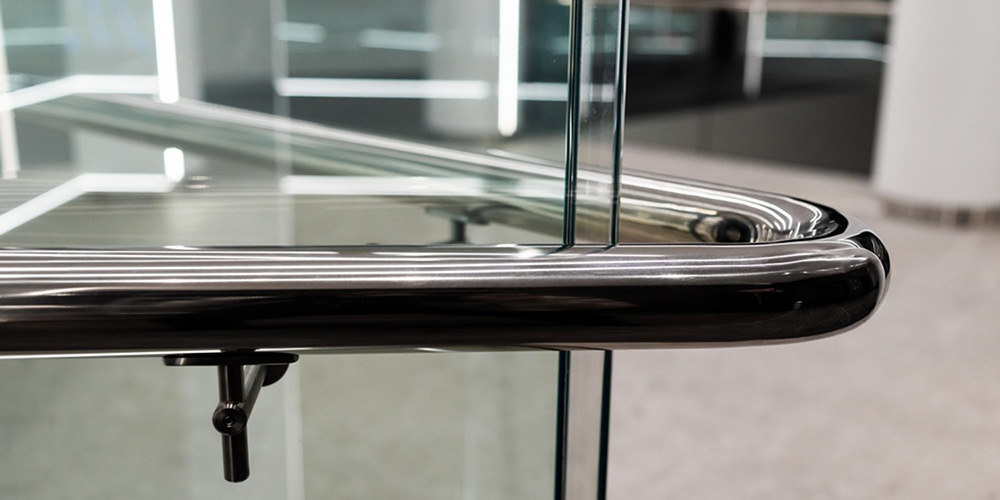
Cách lựa chọn hệ thống lan can thép không gỉ cho dự án của bạn
Chủ đầu tư dự án lựa chọn hệ thống phù hợp bằng cách đánh giá mức độ tiếp xúc với môi trường và độ bền cần thiết. Các ứng dụng trong nhà thường cho phép sử dụng thép không gỉ SS304. Tuy nhiên, môi trường ven biển hoặc khu vực hồ bơi yêu cầu thép không gỉ SS316 để có khả năng chống ăn mòn tốt hơn. Các nhà phân phối ưu tiên tiêu chuẩn hóa để tránh các vấn đề khi lắp đặt. Một hệ thống đáng tin cậy cần duy trì kích thước nhất quán, lớp hoàn thiện phù hợp và hiệu suất chịu tải đã được chứng minh.
Các phụ kiện cần thiết cho hệ thống lan can thép không gỉ: Danh sách kiểm tra lắp đặt
Phần cứng chất lượng cao là yếu tố cơ bản đảm bảo an toàn cho mọi công trình lắp đặt. Danh sách kiểm tra sau đây nêu rõ các thành phần cốt lõi cần thiết để lắp ráp an toàn.
Bước 1: Lắp đặt và neo đế (Cố định sau)
Việc neo trụ đúng cách đảm bảo hệ thống có thể chịu được tải trọng yêu cầu. Do chất liệu nền khác nhau, bê tông và gỗ cần các loại ốc vít phù hợp để duy trì tính toàn vẹn cấu trúc.
1. Tấm đế chịu lực cao
Tấm đế giúp phân bổ tải trọng đều và cung cấp khả năng chống uốn cho các trụ. Độ dày của chúng phải phù hợp với điều kiện tải trọng dự kiến. Một tấm đế được thiết kế tốt đảm bảo lắp đặt an toàn và giảm thiểu rủi ro bảo trì.
2. Vít gỗ so với bu lông nở
Bu lông nở mang lại độ bền vượt trội cho bê tông, trong khi vít tự ren phù hợp hơn với bề mặt gỗ. Việc lựa chọn đúng loại ốc vít sẽ ngăn ngừa hiện tượng lỏng lẻo và tăng cường an toàn. Các nhà phân phối nên dự trữ cả hai loại để đáp ứng các nhu cầu khác nhau của dự án.
Bước 2: Giá đỡ và các mối nối tay vịn
Các mối nối tay vịn chắc chắn giúp duy trì sự thoải mái cho người sử dụng và đảm bảo sự chuyển tiếp mượt mà dọc theo cầu thang và hành lang. Các phụ kiện điều chỉnh cho phép người lắp đặt thích ứng với các thay đổi về góc độ và đạt được sự thẳng hàng liền mạch.
1. Yên xe có thể điều chỉnh
Yên đỡ có thể điều chỉnh giúp phù hợp với nhiều góc độ tay vịn khác nhau, rất cần thiết cho các ứng dụng cầu thang và bề mặt dốc. Tính linh hoạt của nó cho phép người lắp đặt đạt được vị trí chính xác mà không cần sửa đổi ống tay vịn. Yên đỡ có độ chính xác cao cũng giúp duy trì vẻ ngoài liền mạch và đẹp mắt của tay vịn. 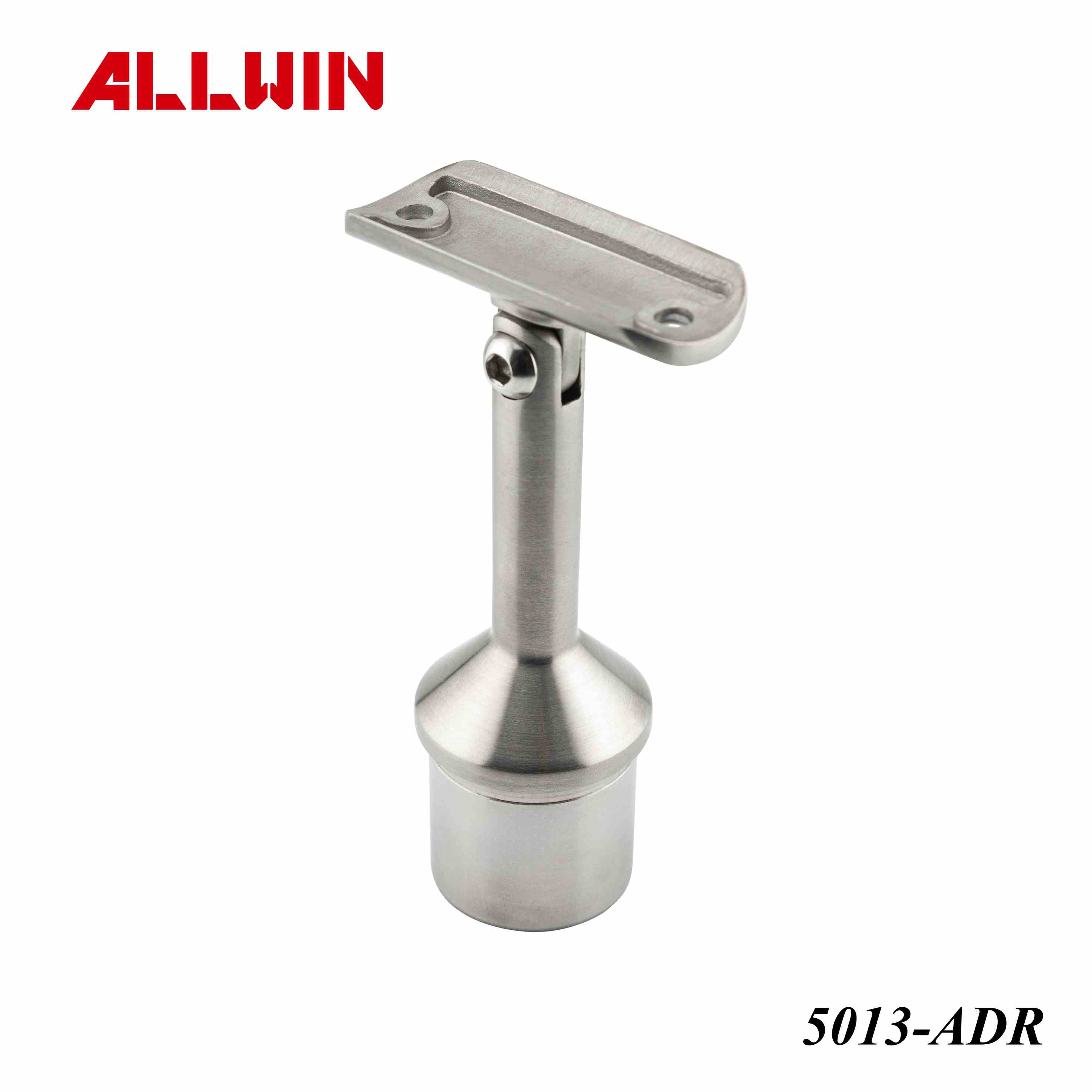
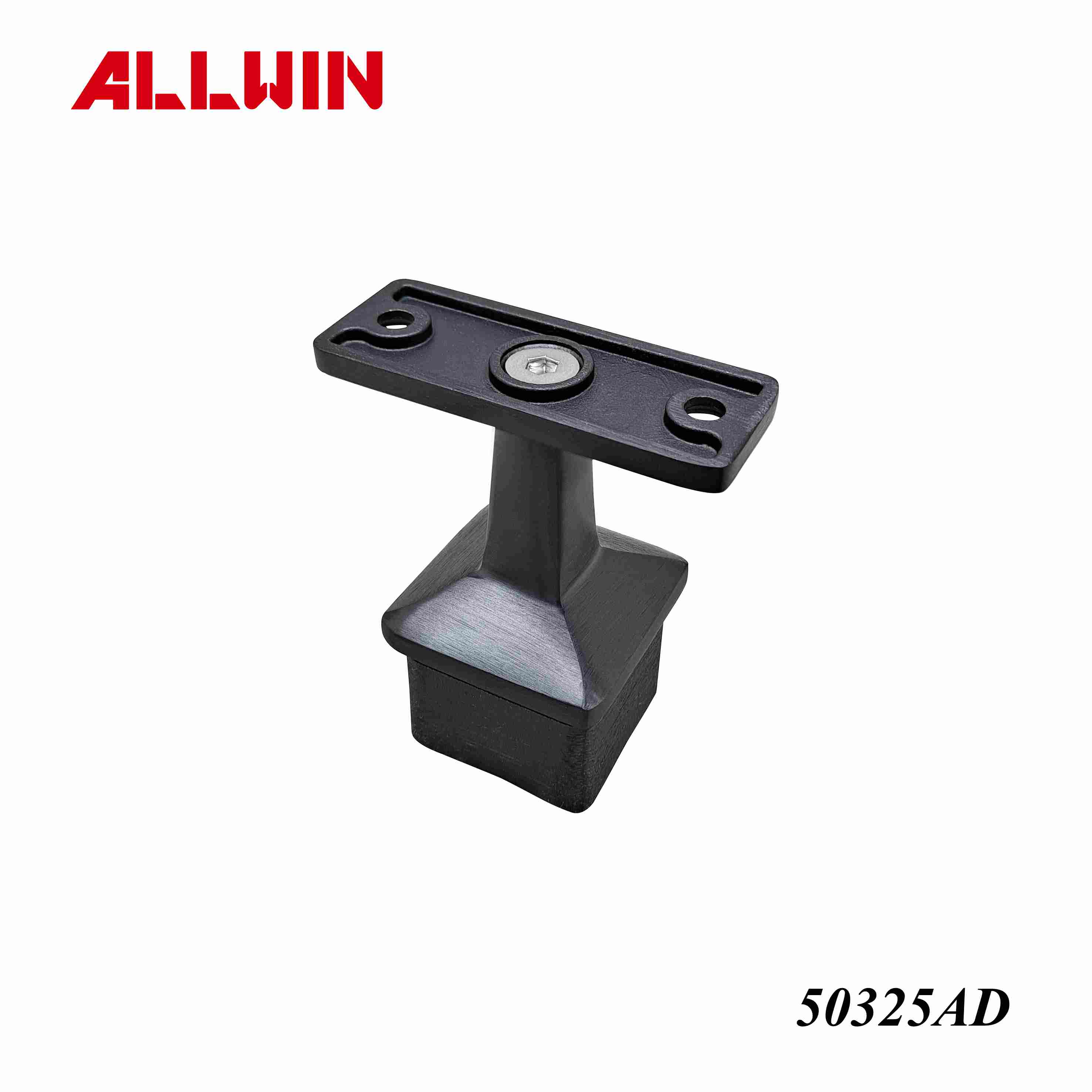
< Sản phẩm liên quan: 50325AD >
2. Mặt bích có thể điều chỉnh
Các mặt bích điều chỉnh hỗ trợ căn chỉnh đa hướng và cho phép lắp đặt chính xác trên tường hoặc cột. Khả năng điều chỉnh của chúng giúp giảm thiểu lỗi lắp đặt và tăng tính tương thích với nhiều bố cục kiến trúc khác nhau. Các phụ kiện này đặc biệt hữu ích trong các dự án tùy chỉnh, nơi thường xuyên xảy ra thay đổi hướng. 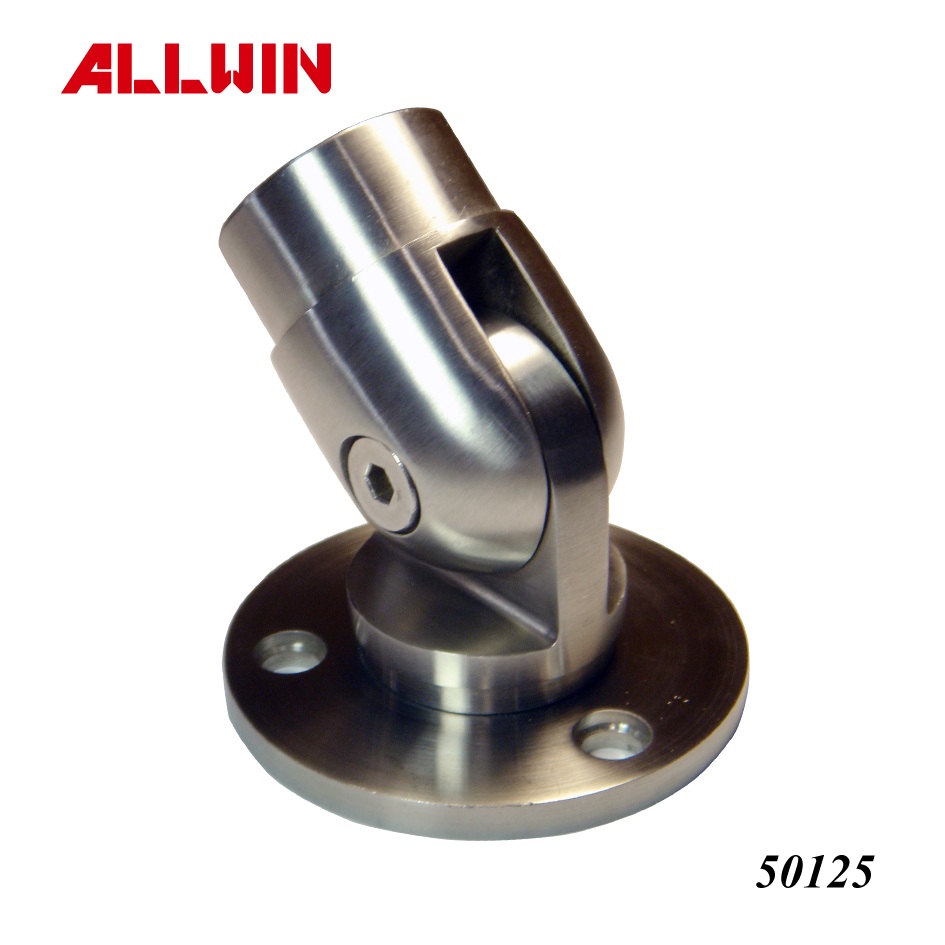
Bước 3: Lắp ráp các thành phần
Các bộ phận lấp đầy giúp cố định phần rào chắn của hệ thống lan can, đảm bảo an toàn cho người sử dụng và tuân thủ các quy định về khoảng cách. Cho dù bộ phận lấp đầy là kính, cáp hay thanh ngang, phần cứng lắp đặt phù hợp là rất quan trọng.
1. Kẹp kính
Kẹp kính giúp cố định các tấm kính mà không cần khoan lỗ, bảo toàn độ bền cấu trúc và tăng cường an toàn. Các loại kẹp chất lượng cao sử dụng miếng đệm cao su bền chắc để chống trượt và bảo vệ kính khỏi các điểm chịu lực. Thiết kế kẹp đồng nhất đảm bảo sự thẳng hàng nhất quán trong các công trình lắp đặt lớn. 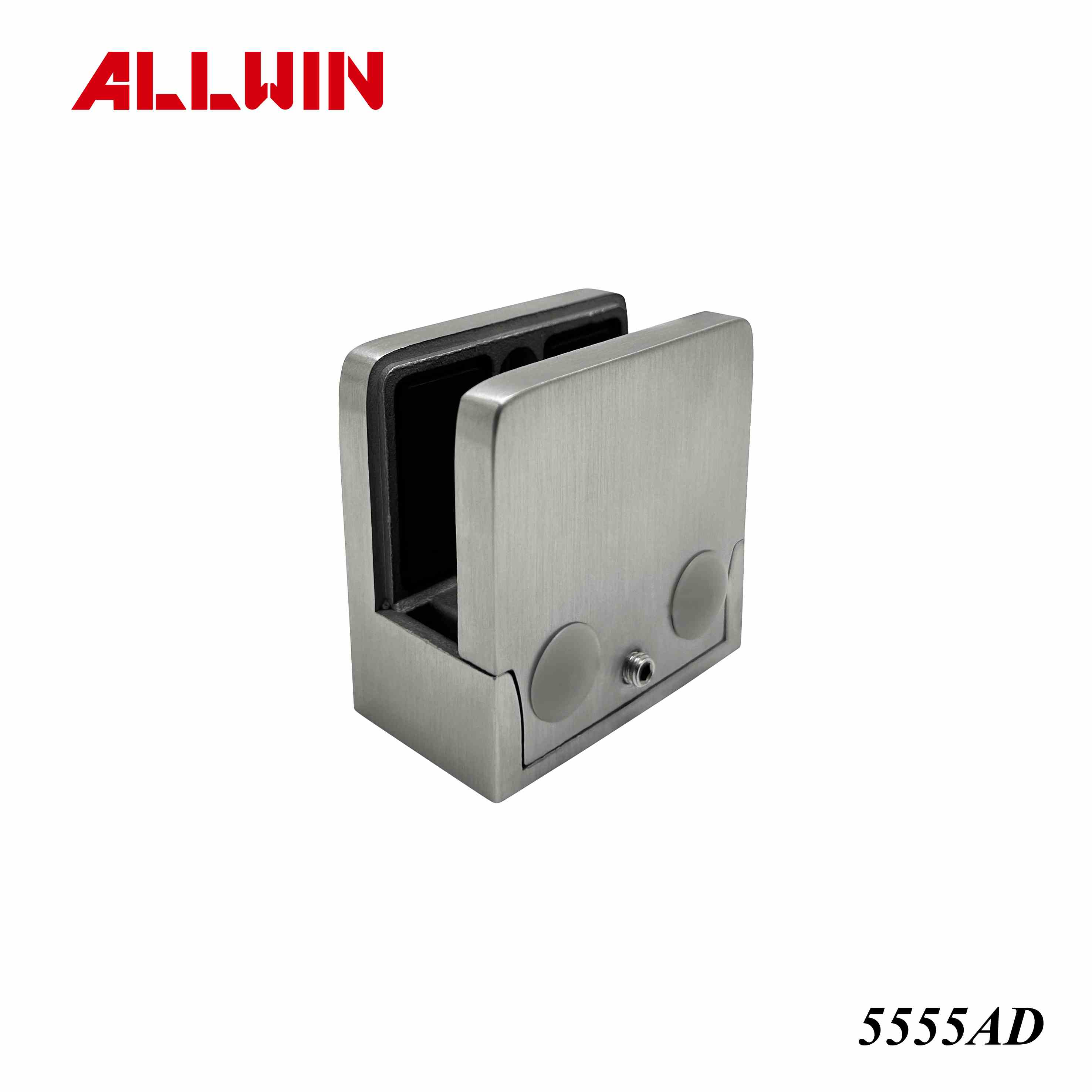
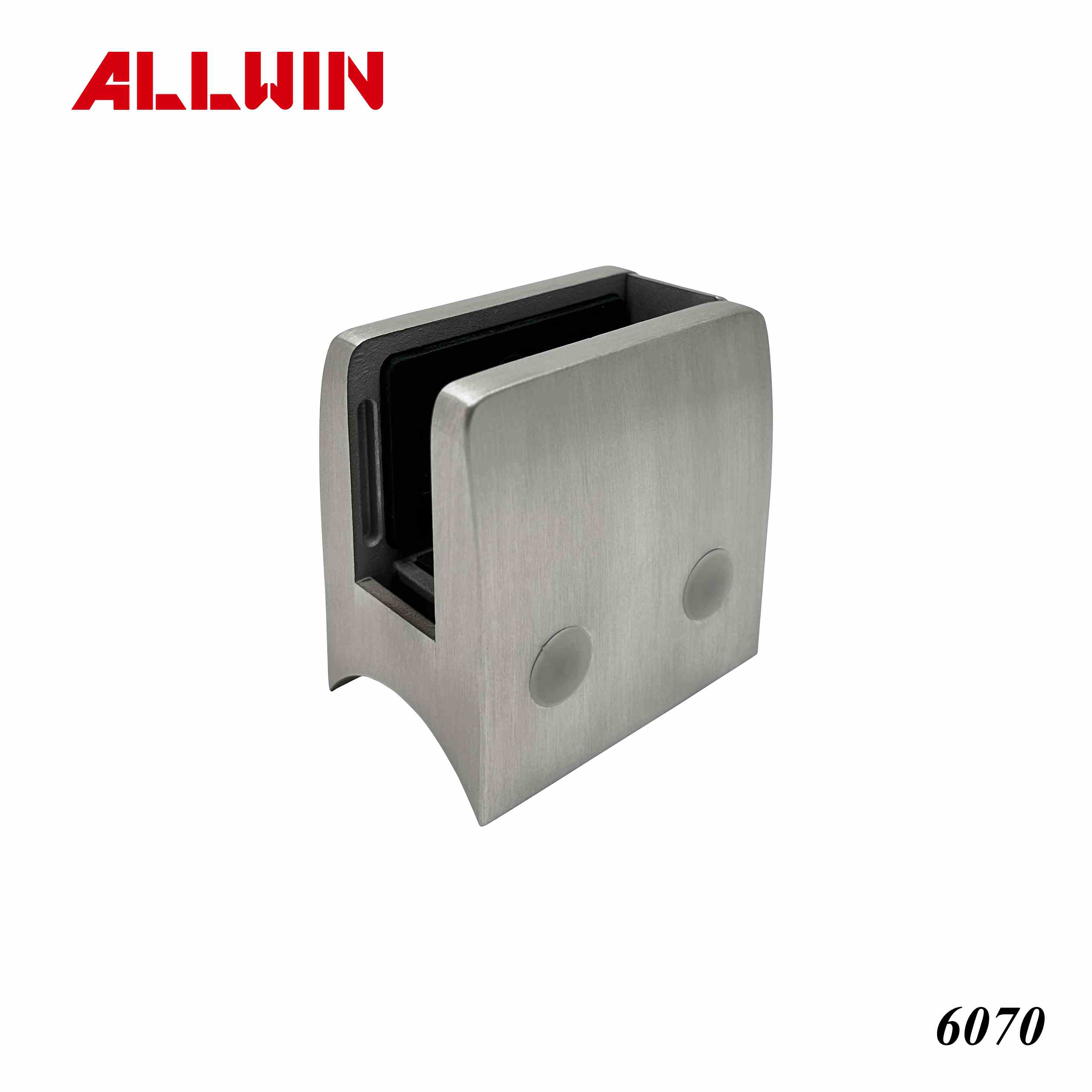
<Sản phẩm liên quan: 6070 >
2. Giá đỡ thanh ngang
Các thanh đỡ ngang giữ khoảng cách đều nhau giữa các thanh ngang và ngăn ngừa sự dịch chuyển ngoài ý muốn. Chúng rất cần thiết trong các hệ thống cột và thanh ray, nơi yêu cầu sự thẳng hàng nhất quán và độ cứng vững của cấu trúc. Các thanh đỡ được gia công chính xác giúp cải thiện độ ổn định tổng thể của hệ thống và tính thẩm mỹ. 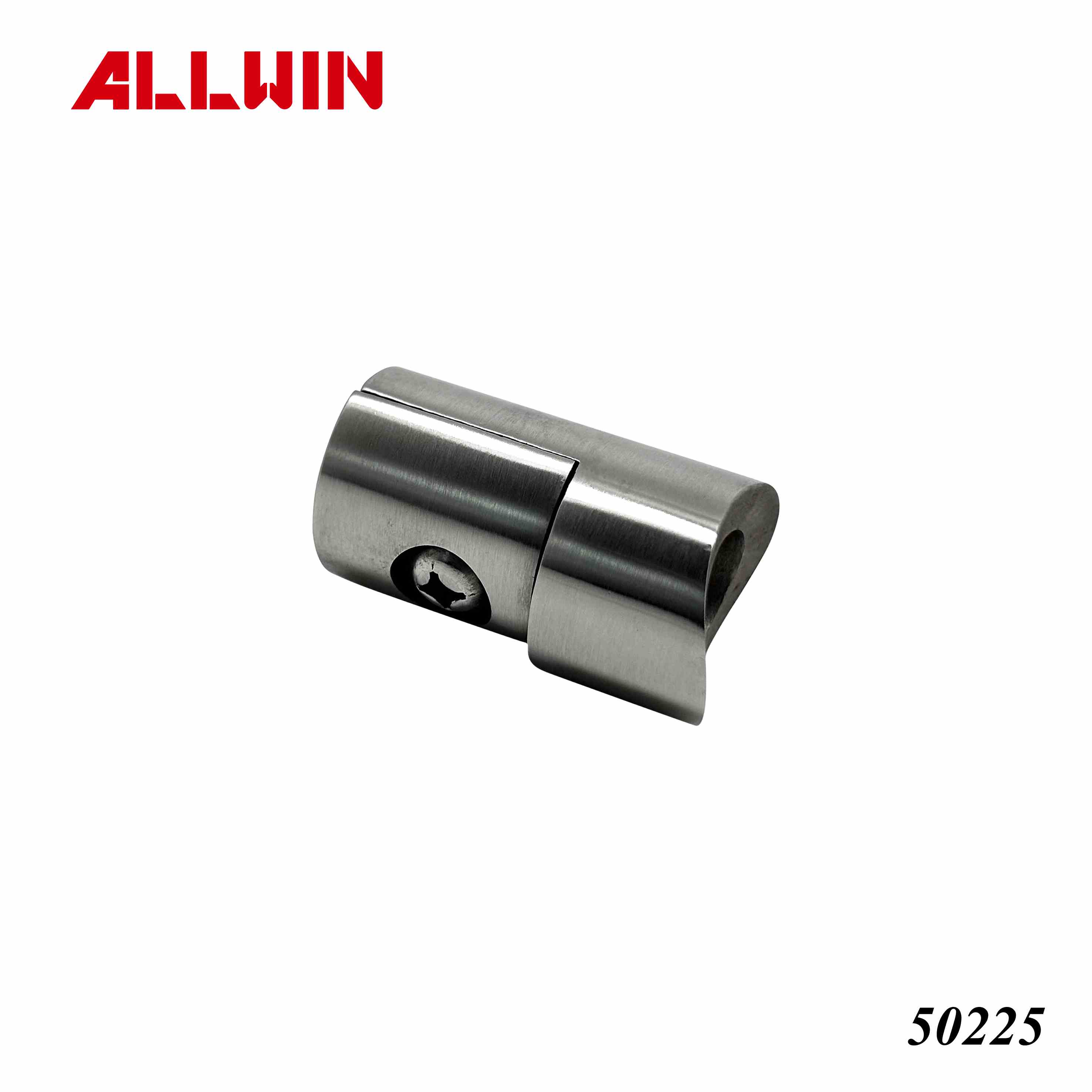
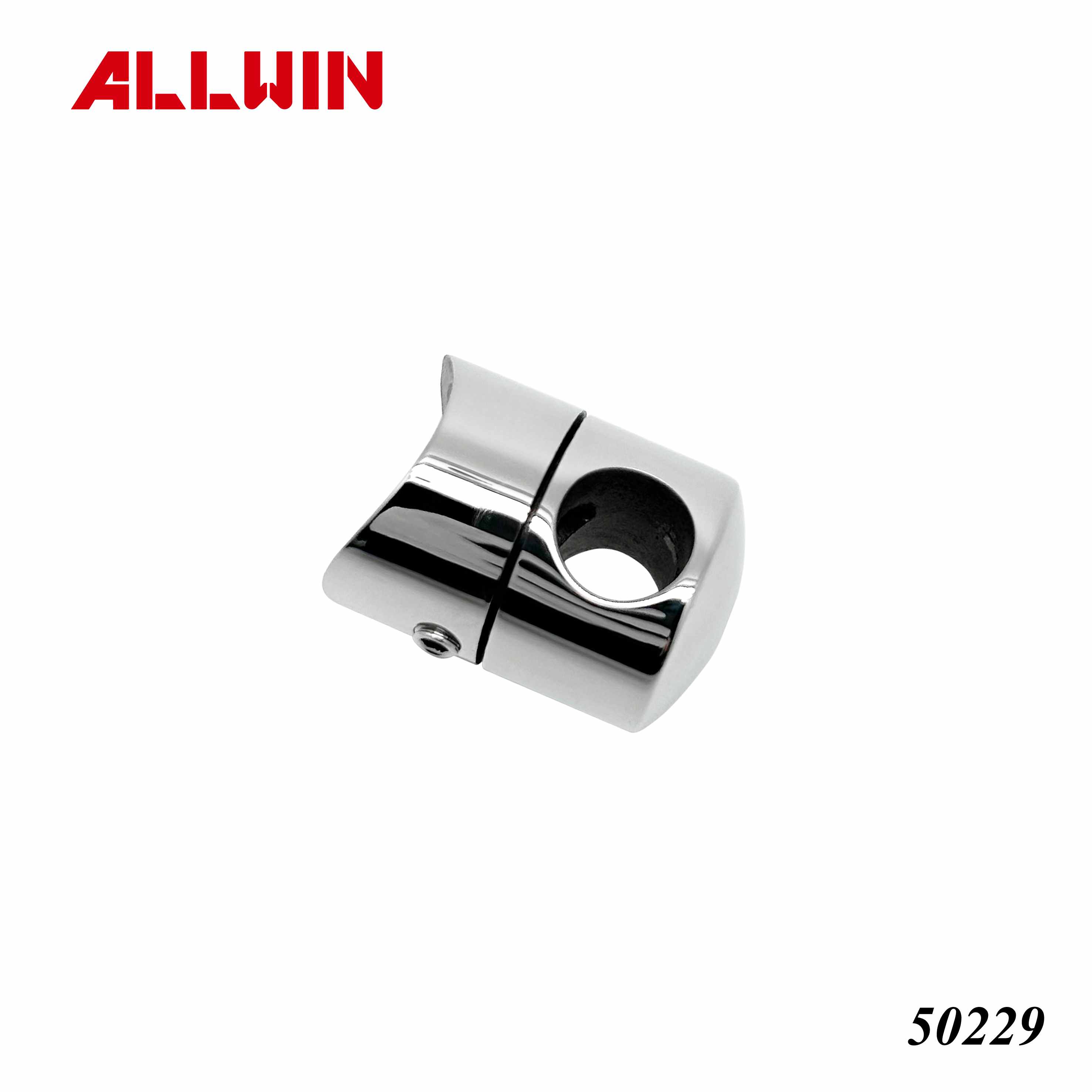
< Sản phẩm liên quan: 50229 >
Bước 4: Các phụ kiện định hướng và góc nối
Các phụ kiện định hướng giúp hệ thống lan can thích ứng với các khúc cua, thay đổi độ cao và các chuyển tiếp kiến trúc. Các bộ phận góc phù hợp đảm bảo sự vận hành trơn tru và duy trì tính toàn vẹn của cấu trúc.
1. Khớp nối khuỷu 90 độ
Khớp nối khuỷu 90 độ cung cấp giải pháp gọn gàng cho các mối nối góc, giúp căn chỉnh đường ray chính xác đồng thời duy trì tính nhất quán của hệ thống. Cho dù được sản xuất bằng phương pháp đúc hay uốn, các khớp nối khuỷu chất lượng cao đảm bảo các kết nối chắc chắn và sự thay đổi hướng mượt mà. Các phụ kiện này giúp đơn giản hóa việc lắp đặt và giảm thiểu các vấn đề về căn chỉnh tại công trường. 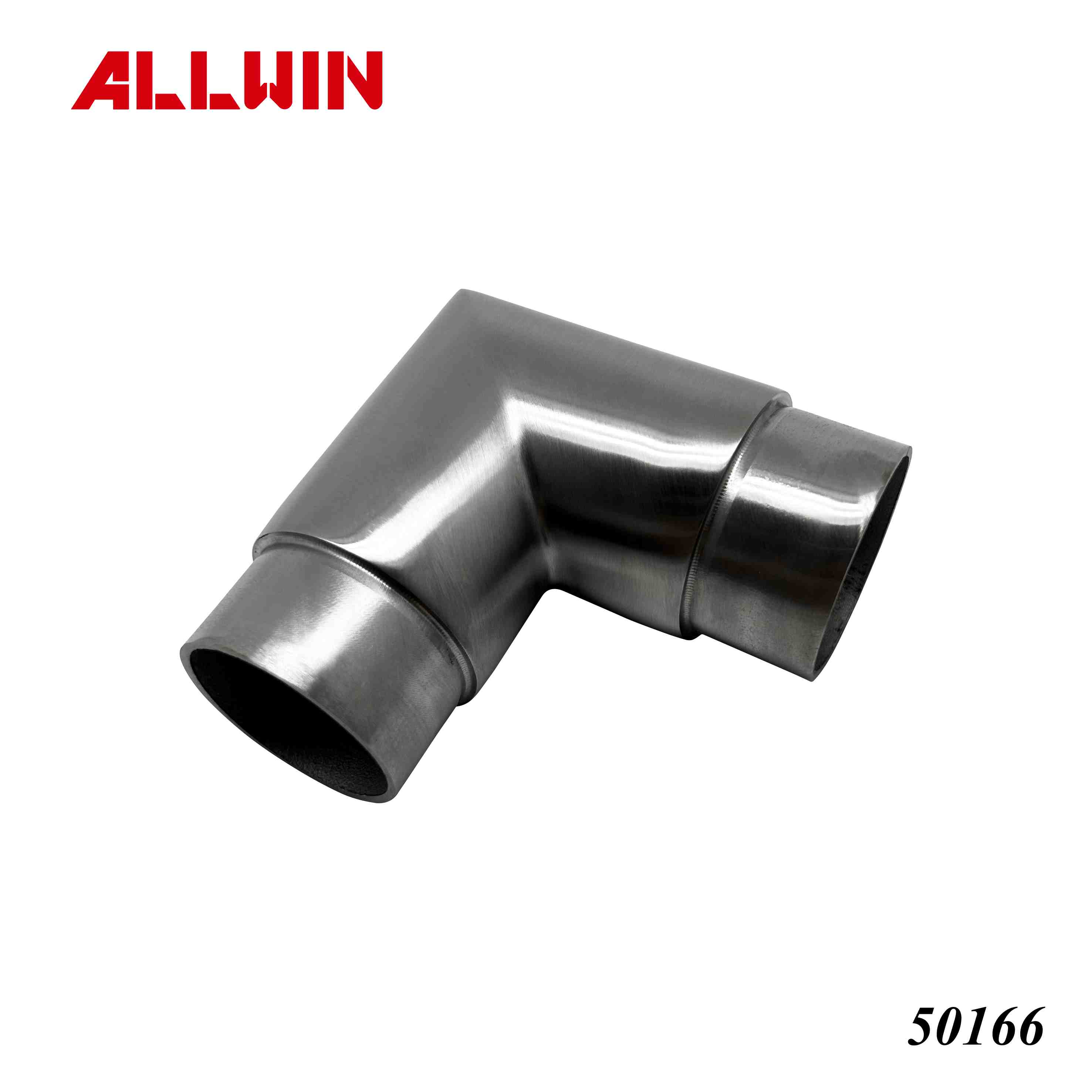
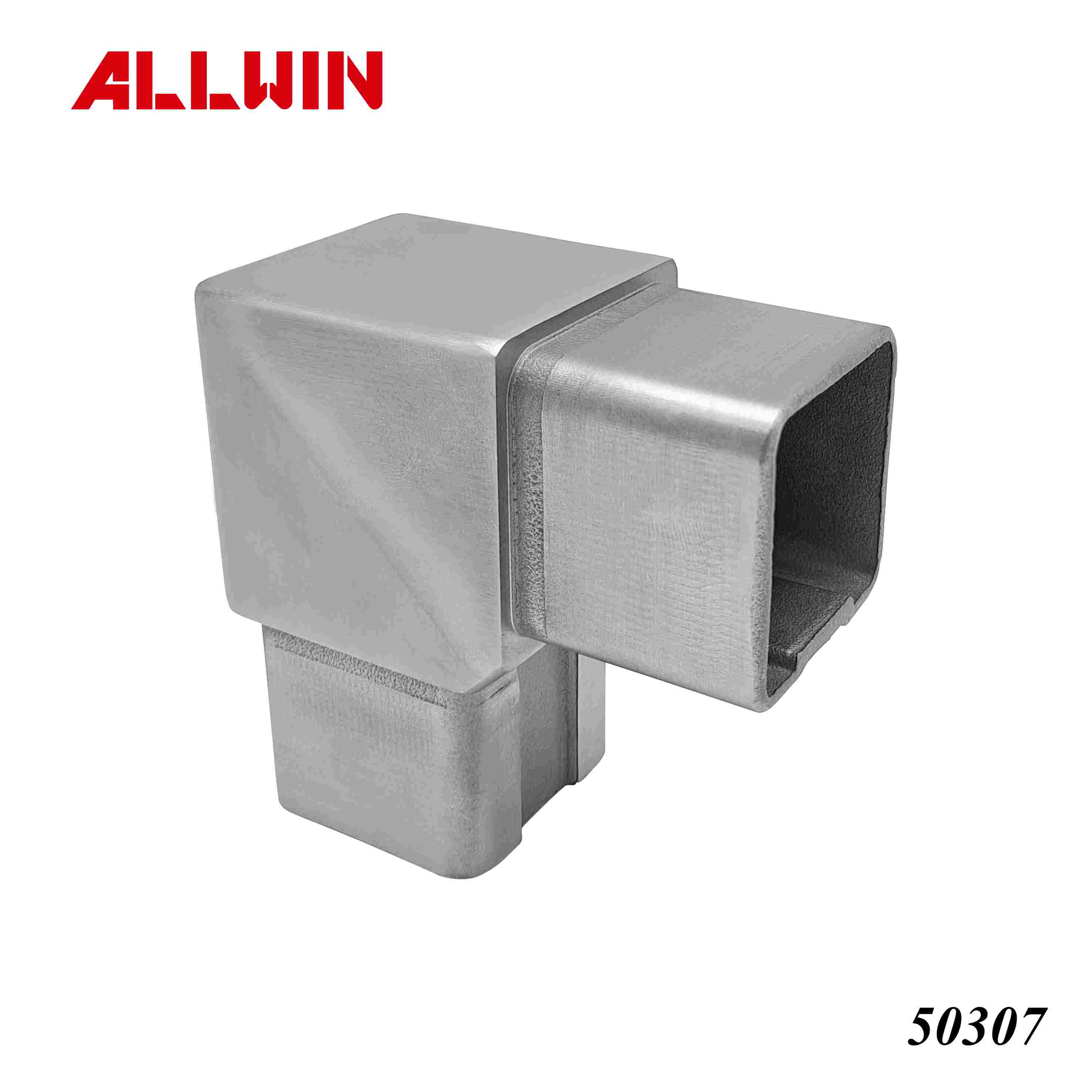
<Sản phẩm liên quan: 50307 >
2. Khớp nối khuỷu 135 độ
Khớp nối khuỷu 135 độ được sử dụng cho các đoạn chuyển tiếp góc cạnh thường thấy ở chiếu nghỉ cầu thang, hành lang đa hướng hoặc các bố cục kiến trúc yêu cầu sự chuyển hướng nhẹ nhàng hơn. Nó cho phép người lắp đặt điều chỉnh đường đi của lan can mà không cần uốn cong tùy chỉnh, đảm bảo độ chính xác và tính liền mạch về mặt thị giác. Phụ kiện này đặc biệt hữu ích cho các dự án có các mẫu góc cạnh lặp đi lặp lại hoặc bố cục không tiêu chuẩn. 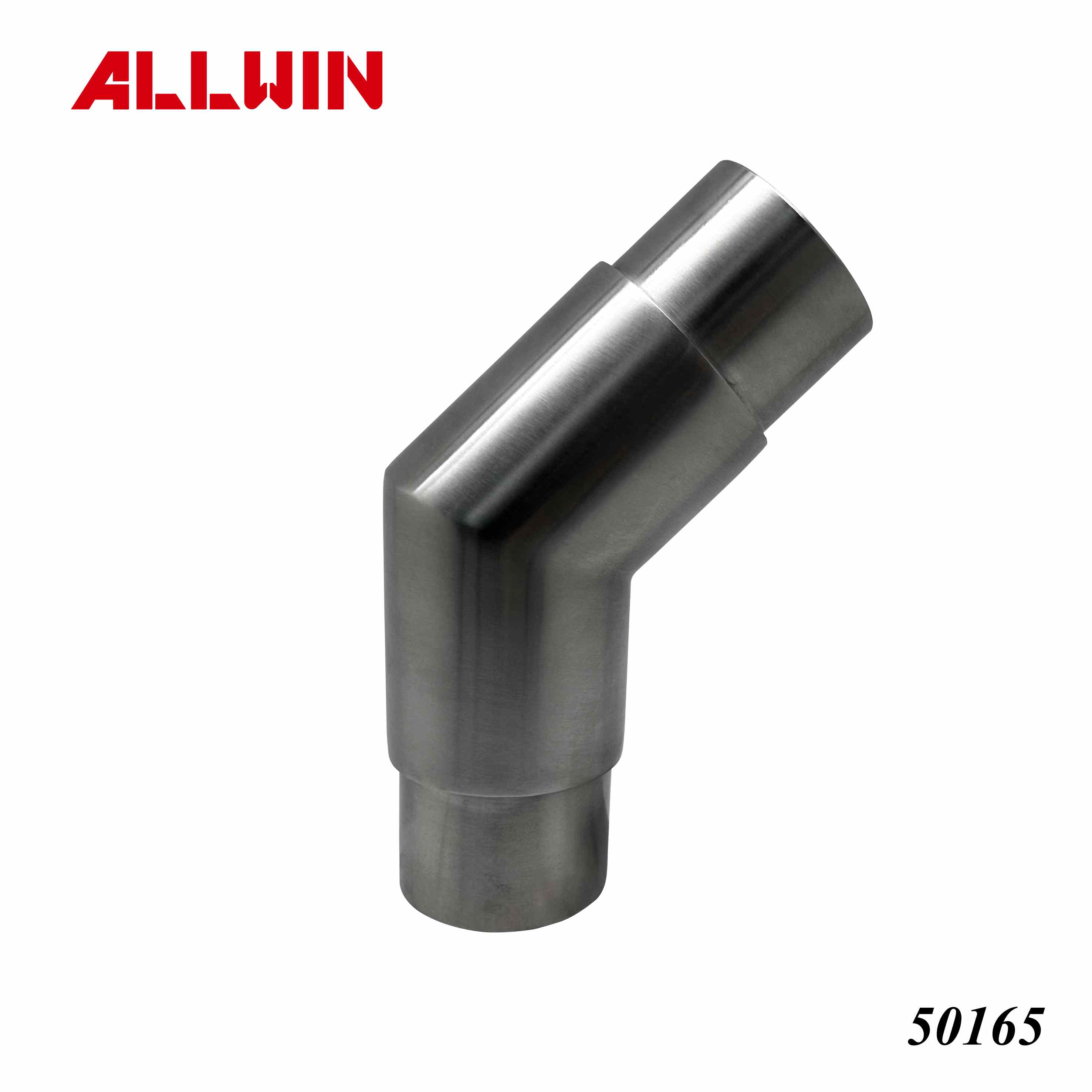
3. Đầu nối 180 độ (Khớp khuỷu thẳng)
Khớp nối 180 độ hỗ trợ thay đổi hướng mượt mà, thẳng hàng—hoàn hảo để kéo dài các đoạn lan can dài hoặc tạo các đoạn cong hình chữ U gọn gàng. Nó giúp duy trì sự thẳng hàng về cấu trúc trên các nhịp dài và mang lại vẻ ngoài liền mạch. Các khớp nối thẳng hàng có độ chính xác cao cũng giảm rung động và chuyển động, cải thiện độ ổn định tổng thể của hệ thống. 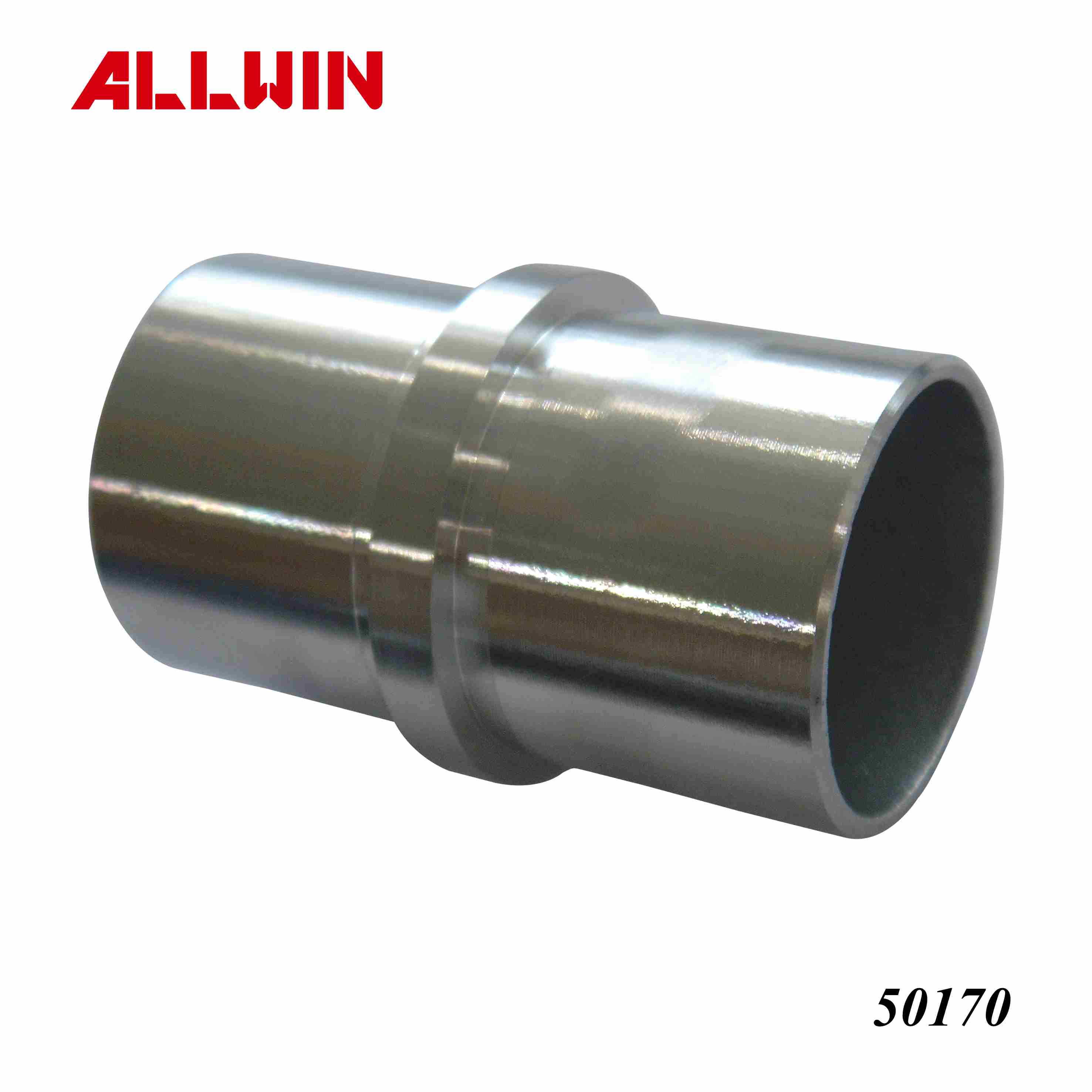
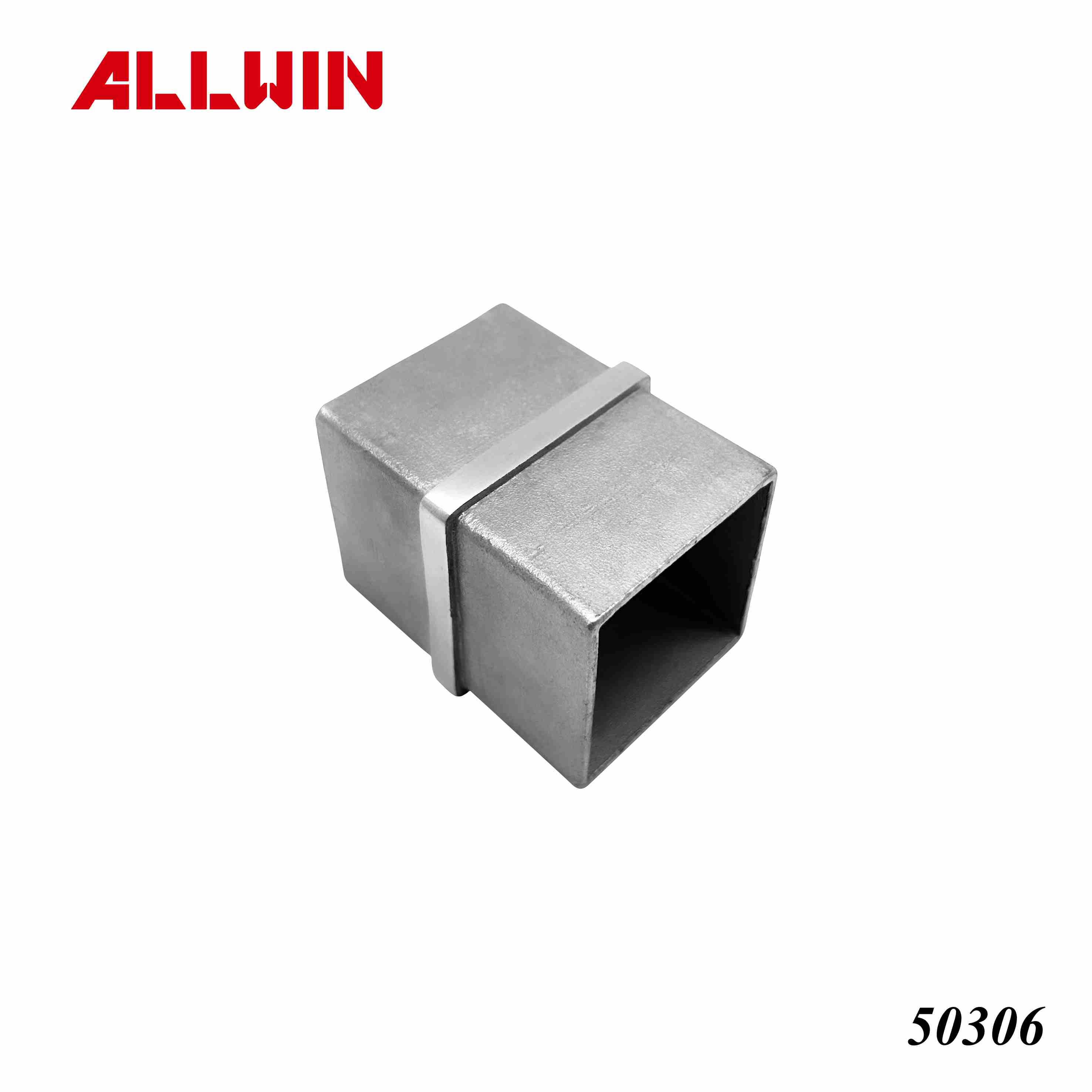
<Sản phẩm liên quan: 50306 >
Mẹo bảo dưỡng để hệ thống lan can thép không gỉ bền lâu
Việc vệ sinh định kỳ bằng chất tẩy rửa nhẹ hoặc chất làm sạch thép không gỉ giúp ngăn ngừa vết bẩn trên bề mặt và duy trì vẻ ngoài. Trong môi trường ven biển hoặc công nghiệp, SS316 có khả năng chống ố vàng và ăn mòn vượt trội. Việc kiểm tra thường xuyên các ốc vít bị lỏng hoặc các bộ phận bị lệch giúp đảm bảo an toàn lâu dài và giảm nhu cầu sửa chữa lớn.
Hướng dẫn tìm nguồn cung ứng: Tìm nhà sản xuất tuyệt vời cho hệ thống lan can
Việc lựa chọn nhà sản xuất đáng tin cậy bao gồm đánh giá chứng nhận vật liệu, khả năng tương thích sản phẩm, chất lượng hoàn thiện bề mặt và độ bền cơ học. Hãy tìm kiếm các nhà cung cấp cung cấp giải pháp trọn gói—bao gồm trụ, kẹp, mặt bích, khuỷu nối và phụ kiện cáp—để đảm bảo tính nhất quán của hệ thống. Các thử nghiệm đạt tiêu chuẩn công nghiệp như thử nghiệm khả năng chống ăn mặn, máy quang phổ để xác nhận thành phần vật liệu chính xác, kiểm định khả năng chịu tải và kiểm soát dung sai càng khẳng định độ tin cậy của sản phẩm. Khả năng OEM và ODM cho phép các nhà phân phối tùy chỉnh các thành phần theo yêu cầu của thương hiệu hoặc nhu cầu cụ thể của dự án. 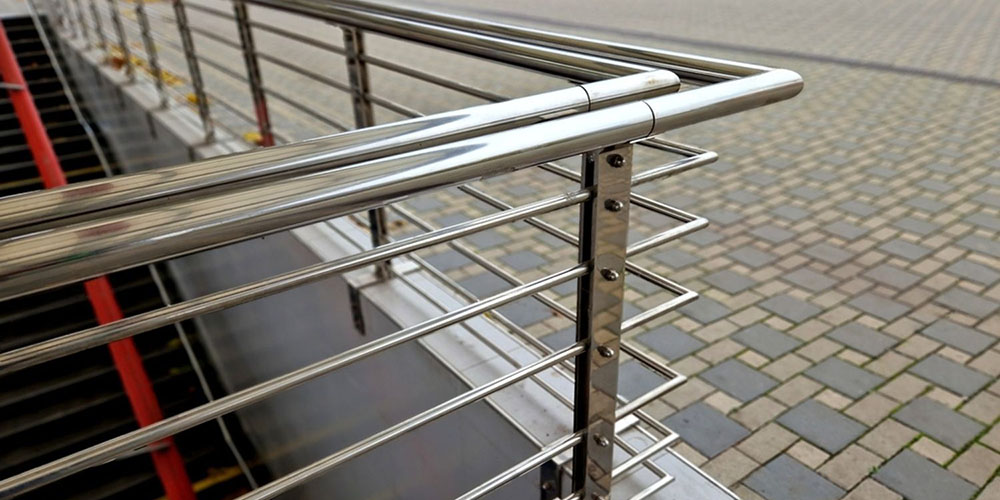
Tại sao nên chọn ALLWIN Hardware cho hệ thống lan can thép không gỉ của bạn?
ALLWIN cung cấp đầy đủ các loại phụ kiện lan can bằng thép không gỉ SS304 và SS316 được thiết kế để đảm bảo độ bền, khả năng tương thích và đáp ứng nhu cầu của các dự án quy mô lớn. Các thành phần được đồng bộ hóa của chúng tôi—trụ, tấm đế, kẹp, khuỷu nối, mặt bích, giá đỡ và phụ kiện—đảm bảo việc lắp đặt liền mạch mà không có các bộ phận không khớp. Với khả năng OEM/ODM mạnh mẽ, ALLWIN hỗ trợ các phụ kiện tùy chỉnh, hỗ trợ vẽ CAD hoặc bản vẽ 3D, bao bì mang thương hiệu và bộ phụ kiện lan can hoàn chỉnh.
ALLWIN khẳng định cam kết chất lượng của mình thông qua công nghệ hoàn thiện bề mặt tiên tiến, gia công chính xác, kiểm soát dung sai nghiêm ngặt và kiểm định 100% vật liệu bằng phương pháp đo quang phổ. Được hỗ trợ bởi năng lực sản xuất ổn định và kinh nghiệm xuất khẩu toàn cầu, ALLWIN cung cấp cho các nhà phân phối và nhà thầu các giải pháp phần cứng đáng tin cậy, lâu dài.
〈Đọc thêm: Dịch vụ OEM/ODM - Gia công thép không gỉ trọn gói 〉
Phần kết luận
Hệ thống lan can bằng thép không gỉ kết hợp tính thẩm mỹ hiện đại với sự an toàn, tính toàn vẹn cấu trúc và độ bền lâu dài. Bằng cách lựa chọn hệ thống phù hợp và hợp tác với nhà sản xuất phụ kiện đáng tin cậy, các nhà phân phối có thể đảm bảo tuân thủ quy định, hiệu quả lắp đặt và giá trị lâu dài cho dự án. Cách tiếp cận giải pháp toàn diện của ALLWIN giảm thiểu rủi ro chuỗi cung ứng và hỗ trợ việc lắp đặt lan can thành công trong môi trường thương mại, dân cư và công cộng. Đừng thỏa hiệp giữa an toàn và thẩm mỹ. Hãy lựa chọn độ bền của thép không gỉ SS316 và độ chính xác của phụ kiện đồng bộ hệ thống của ALLWIN cho công trình dân cư hoặc thương mại sắp tới của bạn. Liên hệ với ALLWIN ngay hôm nay để bắt đầu hành trình hướng tới một công trình kiến trúc an toàn và đẹp mắt hơn.
〈Tài liệu tham khảo thêm: Các bộ phận cửa kính phòng tắm: Hướng dẫn đầy đủ về nhận dạng và thay thế 〉
〈Đọc thêm: Tại sao nên chọn phụ kiện kính ghép cho thiết kế không khung hiện đại? 〉
ALLWIN
ALLWIN, có trụ sở tại Đài Loan, là nhà sản xuất hàng đầu chuyên về phụ kiện kiến trúc chất lượng cao. Với hơn 25 năm kinh nghiệm trong ngành, chúng tôi vận hành một nhà máy quy mô lớn với công nghệ đúc và gia công CNC tiên tiến. Chúng tôi cung cấp các giải pháp tùy chỉnh cho hệ thống lan can và phụ kiện cửa. Bằng cách kết hợp kiểm tra nghiêm ngặt với dịch vụ trung thực, chúng tôi xây dựng mối quan hệ đối tác lâu dài và đáng tin cậy với khách hàng toàn cầu.