
BLOG
- Trang chủ
- Blog
- Chia sẻ ngành
- Tìm nguồn cung ứng thanh đẩy xe thương mại: Các loại, tiêu chuẩn và giải pháp cung ứng
Tìm nguồn cung ứng thanh đẩy xe thương mại: Các loại, tiêu chuẩn và giải pháp cung ứng
Apr 03, 2026
Tác giả : ALLWIN
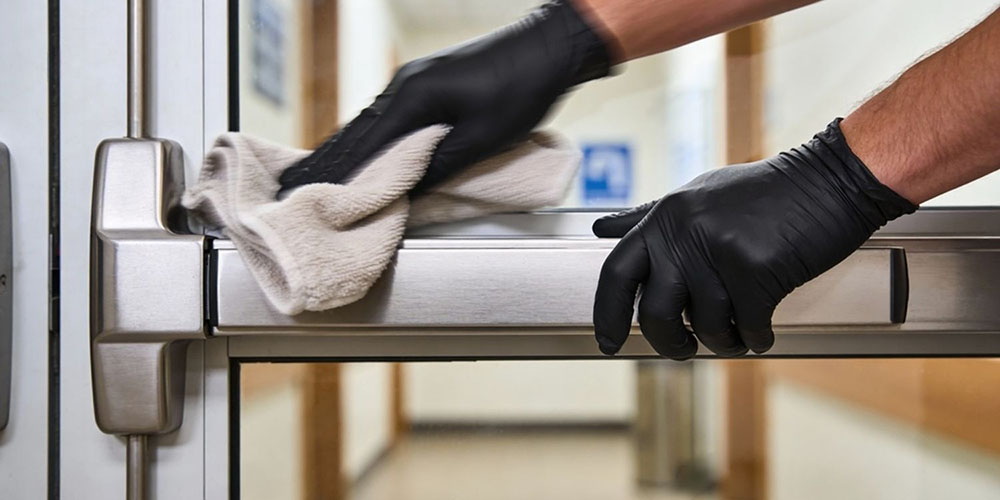
Trong các tòa nhà thương mại hiện đại, an toàn không chỉ phụ thuộc vào thiết kế kết cấu mà còn phụ thuộc vào việc mọi người có thể thoát hiểm hiệu quả như thế nào trong trường hợp khẩn cấp. Tay nắm cửa đóng vai trò quan trọng trong việc cho phép sơ tán nhanh chóng và có kiểm soát, đặc biệt là trong môi trường có lưu lượng người qua lại cao như văn phòng, trường học, bệnh viện và các cơ sở công cộng.
Trong các tình huống khẩn cấp thực tế, người dùng có thể phải đối mặt với tầm nhìn hạn chế, áp lực đám đông và căng thẳng cao độ. Trong những điều kiện này, thiết bị cửa phải hoạt động tức thì và trực quan. Tay nắm cửa được thiết kế chính xác cho mục đích này, cho phép thoát hiểm chỉ bằng một thao tác mà không cần do dự hay thao tác chính xác.
Thanh đẩy là gì? Định nghĩa và các thành phần cốt lõi
Thanh đẩy cửa, thường được gọi là thanh thoát hiểm hoặc thiết bị thoát hiểm, là một hệ thống phụ kiện cửa được thiết kế để cho phép thoát hiểm nhanh chóng và dễ dàng. Nó thường bao gồm một thanh ngang, một cơ chế chốt bên trong và một lớp vỏ bên ngoài bảo vệ các bộ phận bên trong.
Là một phần của hệ thống thoát hiểm hoàn chỉnh, thanh đẩy cửa hoạt động cùng với bản lề, bộ phận đóng cửa tự động và hệ thống khóa để điều chỉnh hoạt động của cửa. Không giống như tay nắm hoặc núm cửa truyền thống, chúng được thiết kế để vận hành tức thì, đảm bảo người dùng có thể thoát ra ngoài mà không cần các thao tác chính xác hoặc kiến thức trước đó.
〈Đọc thêm: Bộ phận đóng cửa tự động là gì? Hiểu rõ mục đích và chức năng của nó 〉
Thanh đẩy hoạt động như thế nào? Giải thích các nguyên lý cơ học.
Tay nắm cửa hoạt động thông qua một hệ thống liên kết cơ khí đơn giản nhưng đáng tin cậy. Khi tác động lực lên tay nắm, các thanh hoặc khớp nối bên trong sẽ ngay lập tức thu chốt cửa lại, cho phép cửa mở ra.
Cơ chế này hỗ trợ cái gọi là “thoát hiểm chỉ bằng một động tác”. Người dùng không cần phải vặn, kéo hoặc nhắm vào một điểm cụ thể. Chỉ cần đẩy nhẹ bất kỳ vị trí nào dọc theo thanh chắn là hệ thống sẽ được kích hoạt, điều này rất quan trọng trong các tình huống khẩn cấp khi thời gian phản ứng và sự tỉnh táo bị hạn chế.
〈Đọc thêm: Bộ đóng cửa thủy lực cho cửa an toàn và êm ái hơn 〉 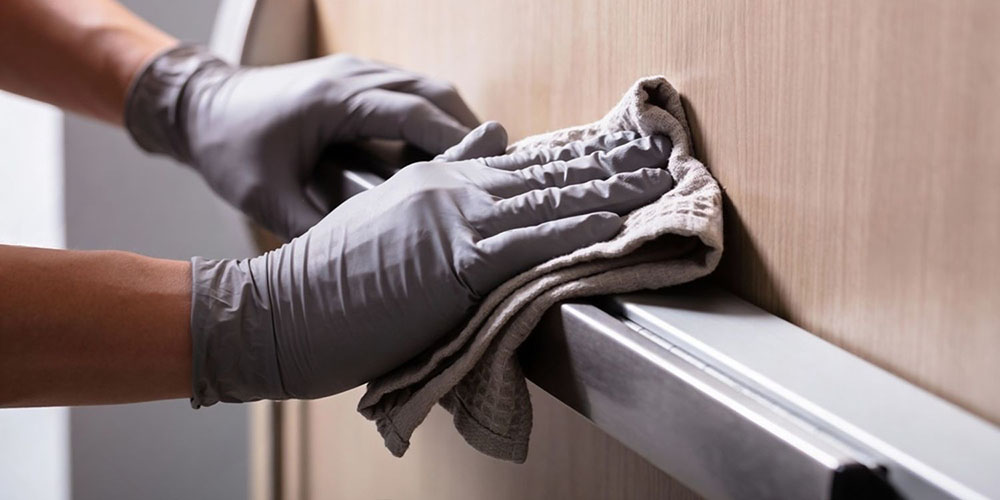
So sánh kỹ thuật: Thanh đẩy, Thanh cảm ứng, Thanh báo động khẩn cấp và Thanh chống va chạm
Trên thị trường thường sử dụng nhiều thuật ngữ khác nhau, nhưng mỗi thuật ngữ lại có ý nghĩa cụ thể tùy thuộc vào ứng dụng và tiêu chuẩn. Thanh đẩy (Push Bar) là thuật ngữ chung mô tả thiết bị tác động ngang được sử dụng trên cửa thoát hiểm. Thanh hoảng loạn (Panic Bar) thường được đề cập trong các quy định xây dựng, đặc biệt là ở Bắc Mỹ, và cho thấy sự tuân thủ các yêu cầu về an toàn tính mạng. Thanh cảm ứng (Touch Bar) đề cập đến thiết kế tinh gọn hơn với chức năng vận hành tương tự, thường được sử dụng khi yếu tố thẩm mỹ cũng được xem xét. Thanh va đập (Crash Bar) là thuật ngữ rộng hơn đôi khi được sử dụng trong các bối cảnh công nghiệp hoặc phi tiêu chuẩn.
Từ góc độ lựa chọn nguồn cung ứng, việc hiểu cả thuật ngữ và ứng dụng là rất quan trọng. Một số hệ thống được yêu cầu bắt buộc theo quy định trong các công trình công cộng, trong khi những hệ thống khác được lựa chọn dựa trên thiết kế dự án, điều kiện sử dụng hoặc các yếu tố về chi phí.
〈Sản phẩm liên quan: Thiết bị báo động khẩn cấp 〉
Những lợi ích cốt lõi của hệ thống thanh đẩy chuyên nghiệp
Giá trị chính của hệ thống tay nắm đẩy nằm ở việc giảm thiểu rủi ro trong các tình huống khẩn cấp. Nếu không có hệ thống hoạt động đúng cách, cửa có thể trở nên khó mở dưới áp lực, làm tăng nguy cơ thương tích hoặc gây chậm trễ trong việc sơ tán.
Tuân thủ quy định là một yếu tố quan trọng khác. Các sản phẩm không đáp ứng các tiêu chuẩn yêu cầu có thể dẫn đến việc không đạt yêu cầu kiểm tra, chậm trễ dự án hoặc phát sinh thêm chi phí. Hệ thống thanh đẩy đáng tin cậy giúp đảm bảo tuân thủ các quy định an toàn.
Độ bền lâu dài cũng rất quan trọng. Các hệ thống không chịu được việc sử dụng lặp đi lặp lại có thể bị hỏng theo thời gian, gây ra các vấn đề về bảo trì hoặc các sự cố hiệu suất không mong muốn. Cấu trúc ổn định và chất lượng vật liệu giúp duy trì hoạt động nhất quán trong suốt vòng đời sản phẩm.
〈Đọc thêm: Làm thế nào để chọn tay nắm cửa phù hợp cho từng không gian? 〉 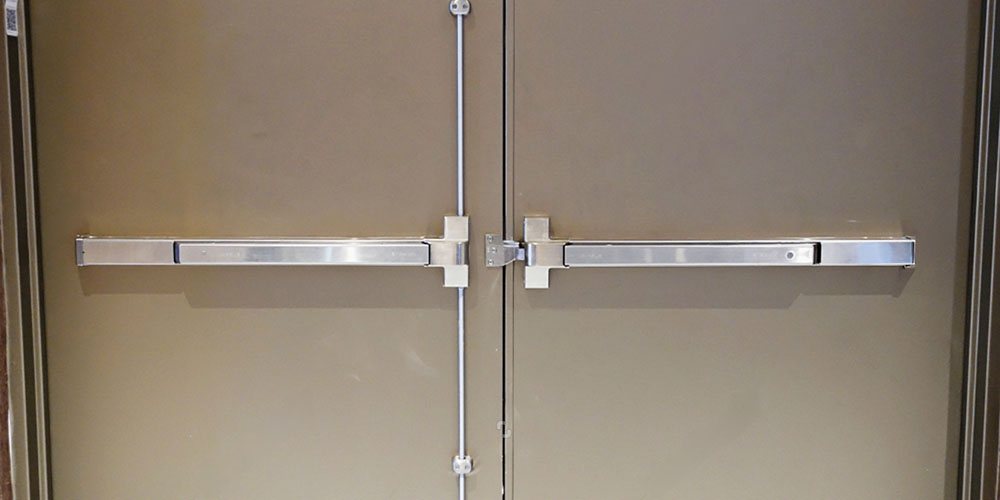
Tiêu chí lựa chọn B2B: Chọn thanh đẩy phù hợp cho dự án của bạn
Việc lựa chọn thanh đẩy cửa phù hợp đòi hỏi phải hiểu rõ cả điều kiện của cửa và môi trường sử dụng thực tế. Các yếu tố cần cân nhắc bao gồm:
Kích thước và trọng lượng cửa
Thanh đẩy cửa phải phù hợp với kích thước và trọng lượng của cửa. Hệ thống không đủ công suất có thể không hoạt động đáng tin cậy dưới áp lực, đặc biệt là trong môi trường có lưu lượng người qua lại cao, nơi yêu cầu hiệu suất ổn định.
Yêu cầu về xếp hạng chống cháy
Việc tuân thủ các tiêu chuẩn chống cháy là điều cần thiết trong nhiều ứng dụng thương mại. Lựa chọn sản phẩm không đáp ứng các tiêu chuẩn yêu cầu có thể dẫn đến việc không đạt yêu cầu trong các cuộc kiểm tra, các vấn đề về quy định và sự chậm trễ dự án tốn kém.
Tần suất sử dụng
Mức độ sử dụng hàng ngày ảnh hưởng trực tiếp đến độ bền của sản phẩm. Môi trường có lưu lượng người dùng cao đòi hỏi các hệ thống được thiết kế để chịu được hoạt động lặp đi lặp lại mà không bị suy giảm hiệu suất theo thời gian.
Rủi ro về độ tin cậy vận hành
Nếu các yếu tố này không được đánh giá đúng mức, các vấn đề như hiệu suất kém, hao mòn nhanh hoặc không tuân thủ quy định có thể xảy ra. Lựa chọn cẩn thận giúp đảm bảo tính ổn định lâu dài và hoạt động nhất quán.
Lắp đặt và bảo trì thanh đẩy
Độ tin cậy lâu dài của hệ thống tay đẩy phụ thuộc rất nhiều vào sự căn chỉnh và tình trạng tổng thể. Sự lệch lạc giữa tay đẩy và chốt khóa có thể làm giảm hiệu quả, gây ra hiện tượng hoạt động không nhất quán hoặc không hoàn chỉnh. Ngay cả những sai lệch nhỏ trong quá trình lắp đặt cũng có thể ảnh hưởng đến hiệu suất theo thời gian.
Việc sử dụng lặp đi lặp lại có thể dẫn đến hao mòn các bộ phận bên trong, làm giảm dần hiệu quả hoạt động. Trong môi trường tần suất cao, quá trình này có thể diễn ra nhanh hơn nếu không được giám sát. Tập trung vào việc căn chỉnh chính xác, độ bền vật liệu và kiểm tra thường xuyên giúp duy trì hiệu suất ổn định và đảm bảo hệ thống vẫn hoạt động khi cần thiết.
〈Đọc thêm: Hướng dẫn toàn diện về khóa lăn cho phụ kiện cửa hiện đại 〉 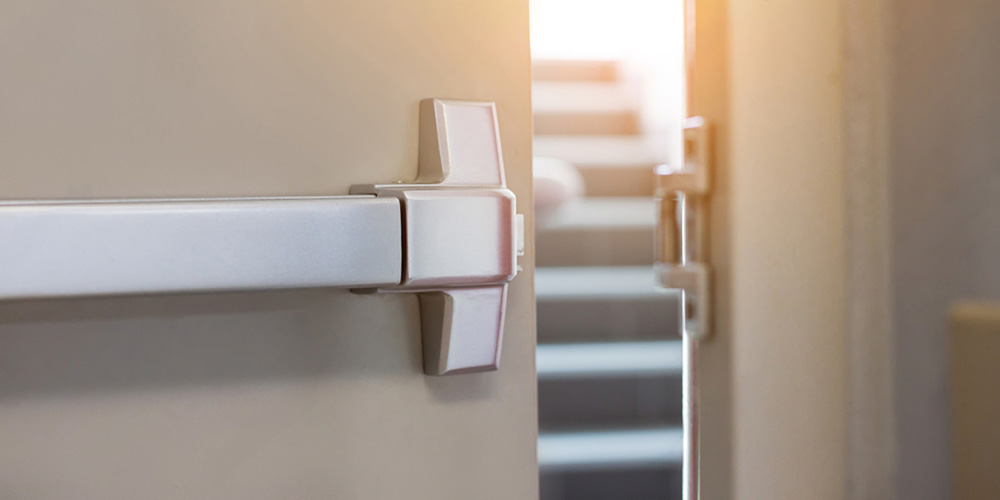
Dịch vụ B2B của ALLWIN: Sản xuất thanh đẩy hiệu suất cao
ALLWIN cung cấp các giải pháp sản xuất thanh đẩy cho các ứng dụng thương mại và công nghiệp, với trọng tâm mạnh mẽ vào tính nhất quán, độ bền và khả năng sản xuất quy mô lớn. Quy trình sản xuất được kiểm soát đảm bảo kích thước ổn định, hoạt động đáng tin cậy và chất lượng đồng nhất trên các đơn đặt hàng số lượng lớn.
ALLWIN chuyên sản xuất các phụ kiện bằng thép không gỉ và đồng thau, bao gồm hệ thống lan can, phụ kiện kính, phụ kiện cửa và phụ kiện phòng tắm. Với hơn 20 năm kinh nghiệm sản xuất, ALLWIN hỗ trợ các thương hiệu toàn cầu và các công ty thuộc Fortune 500 với các giải pháp OEM và ODM.
ALLWIN tập trung vào việc biến các ý tưởng thiết kế thành quy trình sản xuất ổn định, có khả năng mở rộng, đảm bảo chất lượng nhất quán và thời gian giao hàng đáng tin cậy. Thông qua việc kiểm soát vật liệu nghiêm ngặt và quy trình sản xuất được quản lý tốt, ALLWIN đảm bảo mỗi sản phẩm hoạt động đáng tin cậy trong điều kiện thực tế.
〈Đọc thêm: Giải pháp bản lề cửa đáng tin cậy cho các dự án thương mại và công nghiệp 〉
Phần kết luận
Thanh đẩy cửa là bộ phận thiết yếu trong hệ thống an toàn tòa nhà hiện đại. Vai trò của chúng không chỉ dừng lại ở việc vận hành cửa thông thường mà còn rất quan trọng để đảm bảo việc sơ tán an toàn và hiệu quả trong điều kiện áp lực cao.
Trong các tình huống khẩn cấp, không có cơ hội thứ hai để vận hành. Giá trị thực sự của hệ thống thanh đẩy được chứng minh vào thời điểm cần thiết nhất. Lựa chọn hệ thống phù hợp giúp đảm bảo cả việc tuân thủ quy định và độ tin cậy lâu dài. Hãy đảm bảo các dự án của bạn đáp ứng các tiêu chuẩn cao nhất về an toàn và tuân thủ quy định. Hãy hợp tác với ALLWIN ngay hôm nay để tiếp cận các giải pháp sản xuất OEM/ODM đáng tin cậy và các giải pháp phần cứng có khả năng mở rộng.
〈Sản phẩm liên quan: Thiết bị báo động khẩn cấp 〉

ALLWIN
ALLWIN, có trụ sở tại Đài Loan, là nhà sản xuất hàng đầu chuyên về phụ kiện kiến trúc chất lượng cao. Với hơn 25 năm kinh nghiệm trong ngành, chúng tôi vận hành một nhà máy quy mô lớn với công nghệ đúc và gia công CNC tiên tiến. Chúng tôi cung cấp các giải pháp tùy chỉnh cho hệ thống lan can và phụ kiện cửa. Bằng cách kết hợp kiểm tra nghiêm ngặt với dịch vụ trung thực, chúng tôi xây dựng mối quan hệ đối tác lâu dài và đáng tin cậy với khách hàng toàn cầu.
Phân loại bài viết
Bài viết gần đây
- Vòi hoa sen liền mạch: Kẹp kính vòi hoa sen nâng cao chất lượng cửa không khung như thế nào
- Tay nắm cửa bằng đồng có thực sự lỗi thời?
- Các bộ phận của cửa kính phòng tắm: Hướng dẫn đầy đủ về cách nhận biết và thay thế
- Tại sao nên chọn phụ kiện kính vá cho thiết kế không khung hiện đại?
- vivn:How Do Glass Suction Cups Work? Types, Uses, and Safety Tips