
BLOG
- Dom
- Blog
- Dzielenie się branżą
- Osprzęt do szkła bezramowego: inżynieria piękna transparentnego designu
Osprzęt do szkła bezramowego: inżynieria piękna transparentnego designu
Jan 23, 2026
Autor : ALLWIN
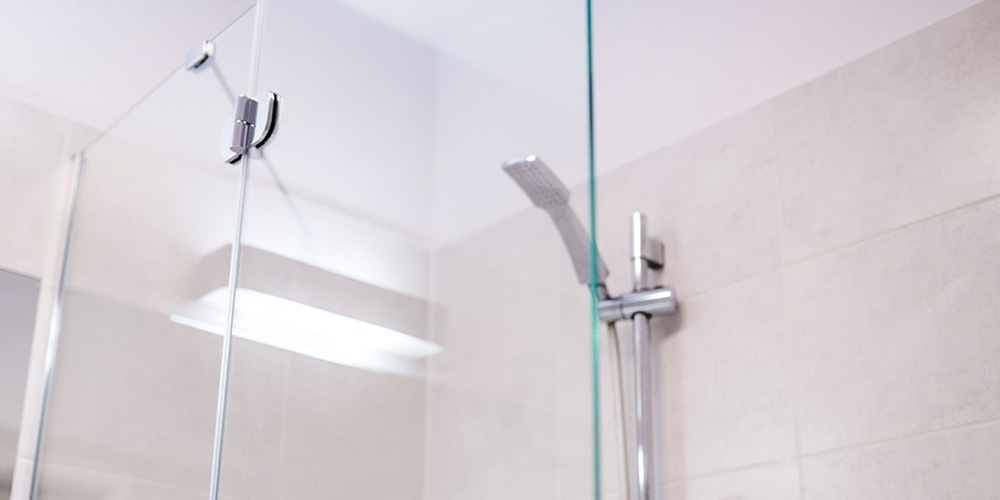
Szkło bezramowe jest obecnie powszechnym elementem nowoczesnej architektury, od kabin prysznicowych w domach, po duże fasady komercyjne i przegrody wewnętrzne. Jego czyste linie i transparentny wygląd tworzą otwartą, minimalistyczną estetykę, którą projektanci cenią wysoko. Za tym czystym wyglądem kryje się jednak prawdziwe wyzwanie konstrukcyjne. Bez ram rozkładających obciążenia, bezramowe systemy szklane opierają się wyłącznie na precyzyjnie zaprojektowanych okuciach, które zapewniają bezpieczeństwo, stabilność i długotrwałą wydajność. W tym kontekście okucia nie są drugorzędnym dodatkiem. To kluczowy element, który odpowiada za przenoszenie obciążeń, tolerancję ustawienia i bezpieczeństwo użytkownika.
Niezbędny sprzęt do podtrzymywania ciężkich, bezramowych szyb
Podparcie ciężkich, bezramowych paneli szklanych wymaga okuć, które bezpiecznie utrzymają szkło, jednocześnie przenosząc znaczne obciążenia konstrukcyjne. Zawiasy i stałe zaciski do szkła zostały zaprojektowane tak, aby chwytać szkło w precyzyjnie określonych punktach styku, równomiernie rozkładając ciężar i zapobiegając przemieszczaniu się lub koncentracji naprężeń. Dobrze zaprojektowane okucia zapewniają stały kontakt ze szkłem, zmniejszając ryzyko jego przesuwania się lub odkształcania z upływem czasu. Stała jakość produkcji i wytrzymałość materiałów są kluczowe, zwłaszcza w przypadku paneli szklanych o dużym formacie, gdzie nawet niewielkie odchylenia mogą wpłynąć na ogólną stabilność konstrukcji.
<Dodatkowe materiały do czytania: Kompletny przewodnik po wyborze odpowiedniego zacisku do szklanej półki >
<Dodatkowe informacje: Zawiasy do drzwi prysznicowych: pięć niezbędnych wskazówek, jak wybrać odpowiedni zawias >
Kluczowe elementy funkcjonalne kabin prysznicowych ze szkła bezramowego
W bezramowych kabinach prysznicowych ze szklanymi drzwiami, okucia odgrywają istotną rolę w codziennym użytkowaniu. Klamki, zawiasy obrotowe i elementy łączące muszą działać płynnie w wilgotnym środowisku, zachowując jednocześnie niezawodność. Z biegiem czasu, narażenie na wilgoć i częste użytkowanie dodatkowo obciążają te elementy. Niezawodne okucia pomagają zachować płynność ruchu i precyzyjne zamykanie, zachowując zarówno funkcjonalność, jak i wygląd. W tym przypadku o komforcie decydują trwałość i stabilność, a nie samo wykończenie powierzchni.
〈Dodatkowe materiały do czytania: Ulepsz swoją łazienkę dzięki niezawodnym elementom wyposażenia drzwi przesuwnych prysznica 〉 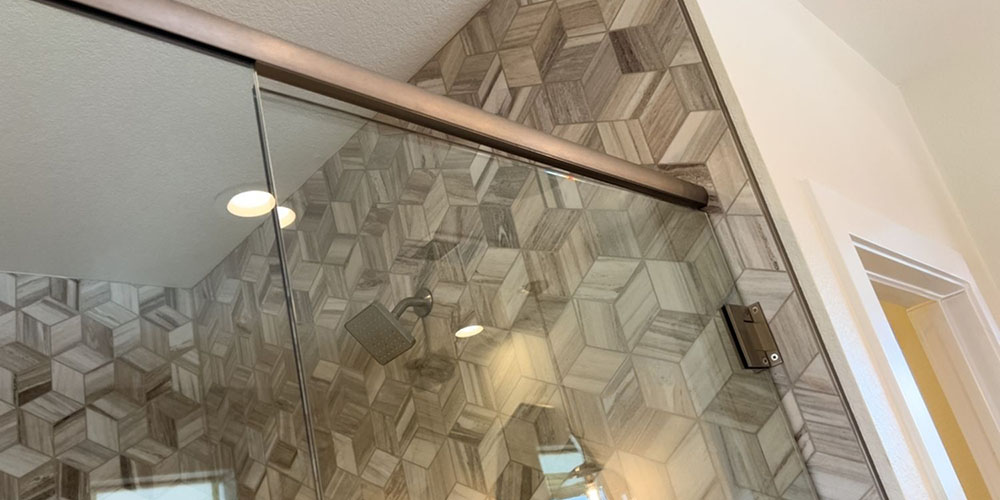
Zastosowania komercyjne: bezramowe ścianki działowe i balustrady szklane
Bezramowe systemy szklane są szeroko stosowane w przestrzeniach komercyjnych, takich jak ścianki działowe w biurach i szklane balustrady, a także w łazienkach, w bezramowych kabinach prysznicowych i szklanych drzwiach, gdzie użytkowanie jest częste, a wymagania dotyczące wydajności pozostają wysokie. Sprężyny podłogowe i okucia mocowane do podłoża są zaprojektowane tak, aby wytrzymywały wielokrotne cykle otwierania, zachowując jednocześnie kontrolę ruchu. W przypadku balustrad okucia muszą również wytrzymywać ciśnienie wiatru i obciążenia boczne, nie tracąc jednocześnie sztywności. W tego typu instalacjach kluczowa jest długa żywotność, odporność na obciążenia środowiskowe i niższe ryzyko konserwacji.
〈Dodatkowe materiały do czytania: Zaopatrzenie w systemy balustrad ze stali nierdzewnej: niezbędna lista kontrolna sprzętu dla dystrybutora 〉
Wodoodporne okucia i zabezpieczenia przed przeciekaniem do szkła bezramowego
Przeciekanie wody to częste wyzwanie w bezramowych instalacjach szklanych, zwłaszcza w kabinach prysznicowych. Skuteczne zapobieganie przeciekom zależy od precyzyjnego współdziałania uszczelek, krawędzi szkła i okuć. Wodoodporne okucia i odpowiednio dopasowane elementy uszczelniające współpracują ze sobą, tworząc niezawodną barierę przed ulatnianiem się wilgoci. Skuteczne uszczelnienie zależy od dokładnego ustawienia i spójnego działania okuć w całym systemie, a nie od pojedynczego elementu.
Trwałe materiały stosowane w bezramowych elementach szklanych
Dobór materiałów odgrywa istotną rolę w długoterminowej niezawodności bezramowych okuć szklanych. Powszechnie stosowane są gatunki stali nierdzewnej, takie jak 304 i 316, z których każdy nadaje się do różnych środowisk. Gatunek 304 jest zazwyczaj stosowany w kontrolowanych warunkach wewnętrznych, natomiast 316 oferuje lepszą odporność w warunkach wilgotnych lub nadmorskich. Wybierając materiały na podstawie rzeczywistego narażenia na czynniki środowiskowe, projekty mogą lepiej zachować jakość powierzchni i integralność strukturalną przez długi czas. 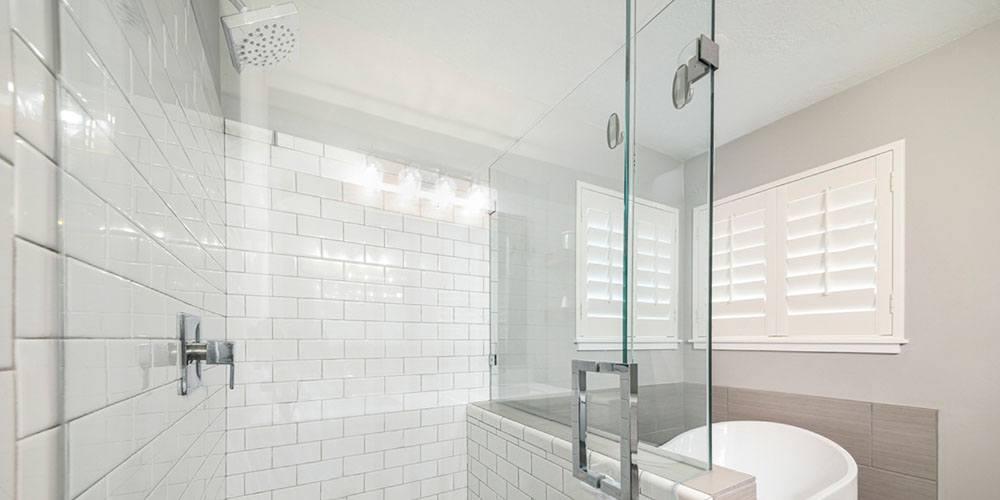
Jak zamontować i wyrównać okucia w przypadku szkła bezramowego
Prawidłowy montaż i wyrównanie są kluczowe dla zachowania długofalowej sprawności okuć szklanych. Nierówne powierzchnie ścian, tolerancje wymiarowe i różnice w miejscu montażu wymagają starannej regulacji podczas montażu. Dokładne wyrównanie pomaga zapobiegać lokalnym naprężeniom na szkle, zmniejsza zużycie elementów ruchomych i zapewnia płynną pracę. Uwzględnienie tych czynników podczas montażu zapewnia długoterminową niezawodność i wydłuża żywotność zarówno szkła, jak i okuć.
Dlaczego partnerzy B2B ufają firmie ALLWIN w zakresie bezramowego osprzętu do szkła
Partnerzy B2B współpracują z ALLWIN w zakresie bezramowych okuć szklanych, które spełniają specyficzne wymagania projektu i globalne standardy. Dzięki możliwościom personalizacji, utrzymywaniu spójnych specyfikacji i wdrażaniu ścisłej kontroli jakości, ALLWIN pomaga zapewnić, że wydajność okuć jest zgodna z oczekiwaniami inżynierów. Takie podejście pomaga zespołom projektowym ograniczyć ryzyko techniczne, usprawnić proces zaopatrzenia i utrzymać spójne rezultaty w różnych zastosowaniach.
〈Dodatkowe materiały do czytania: Usługa OEM/ODM – kompleksowa obróbka stali nierdzewnej 〉
Wniosek
W projektowaniu bezramowych konstrukcji szklanych liczy się coś więcej niż tylko przejrzystość wizualna. Wymagają one okuć zapewniających wsparcie strukturalne, precyzyjne dopasowanie i długotrwałą trwałość. Prawidłowo zaprojektowane okucia pozwalają systemom bezramowym osiągnąć zarówno efekt estetyczny, jak i niezawodność funkcjonalną. W tym sensie, przejrzystość architektoniczna jest możliwa dzięki niezawodnej inżynierii. Szukasz niestandardowych okuć, spełniających surowe światowe standardy? Współpracuj z ALLWIN, aby usprawnić proces zamówień i omówić szczegółowe wymagania Twojego projektu. Szukasz niestandardowych okuć, spełniających surowe światowe standardy? Współpracuj z ALLWIN , aby usprawnić proces zamówień i omówić szczegółowe wymagania Twojego projektu.
〈Dodatkowe materiały do czytania: Upiększ swoją przestrzeń dzięki nowoczesnym klamkom do drzwi szklanych i wysokiej jakości stylom okuć 〉
〈Dodatkowe materiały do czytania: Wybór wsporników poręczy do projektów komercyjnych: Projektowanie, wymagania dotyczące obciążenia i przewodnik po zaopatrzeniu 〉


ALLWIN
Firma ALLWIN z siedzibą na Tajwanie to wiodący producent specjalizujący się w wysokiej jakości okuciach architektonicznych. Dzięki ponad 25-letniemu doświadczeniu w branży, posiadamy własną fabrykę, w której stosujemy zaawansowane odlewy i obróbkę CNC. Oferujemy rozwiązania dostosowane do indywidualnych potrzeb w zakresie systemów balustrad i okuć drzwiowych. Łącząc rygorystyczne testy z uczciwą obsługą, budujemy solidne, długoterminowe partnerstwa z klientami na całym świecie.
Klasyfikacja artykułów
Najnowsze artykuły
- pl:Shower Glass Clamps for Frameless Doors: Types, Selection & Installation
- Czy mosiężne klamki do drzwi naprawdę wyszły z mody?
- pl:Parts of a Shower Door: Names, Types & Replacement Tips
- pl:Glass Patch Fittings for Frameless Glass Doors
- pl:How Do Glass Suction Cups Work? Types, Uses, and Safety Tips