
BLOG
- Dom
- Blog
- Dzielenie się branżą
- Wybór odpowiedniego zamka zasuwkowego: Strategiczny przewodnik dla projektów komercyjnych
Wybór odpowiedniego zamka zasuwkowego: Strategiczny przewodnik dla projektów komercyjnych
Apr 10, 2026
Autor : ALLWIN
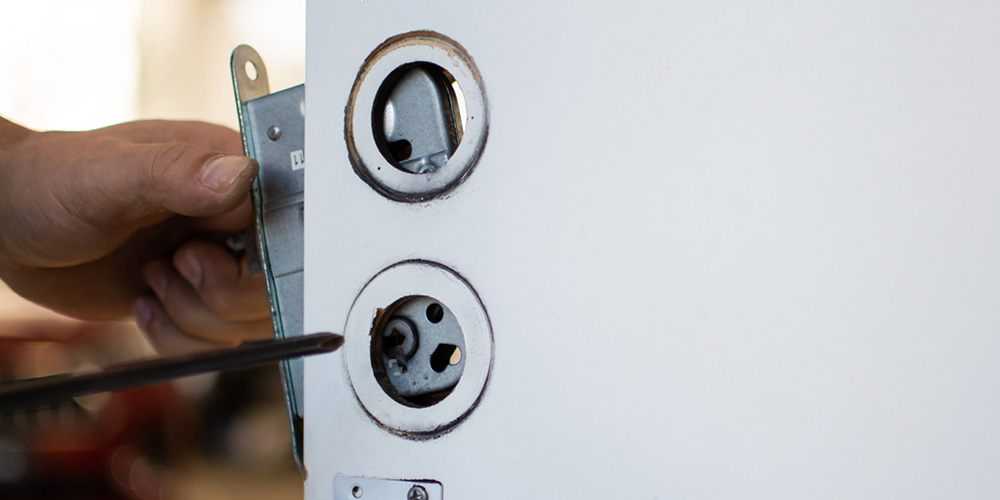
W budynkach komercyjnych bezpieczeństwo zaczyna się od drzwi. Zamek zasuwkowy odgrywa kluczową rolę w kontrolowaniu dostępu, ochronie mienia i zmniejszaniu ryzyka włamania. W przeciwieństwie do standardowych systemów zatrzaskowych, zamek zasuwkowy wykorzystuje solidny rygiel blokujący, który chroni przed nieautoryzowanym dostępem i działaniem siły zewnętrznej. Jako jedna z pierwszych barier mechanicznych w systemie bezpieczeństwa budynku, odpowiedni rygiel pomaga zwiększyć długoterminowe bezpieczeństwo i pewność działania.
Czym jest zamek zasuwkowy i dlaczego nazywa się go „martwym”?
Zamek zasuwkowy to urządzenie blokujące, które zabezpiecza drzwi poprzez wsunięcie solidnego metalowego rygla w ościeżnicę. Nazywa się go „martwym”, ponieważ rygiel nie jest utrzymywany w pozycji zamkniętej za pomocą sprężyn. Pozostaje on zablokowany do momentu cofnięcia go kluczem, gałką lub mechanizmem cylindrycznym.
Konstrukcja bezsprężynowa to jeden z głównych powodów, dla których zasuwy oferują większą odporność niż standardowe zamki zatrzaskowe. Bez nacisku sprężyny rygiel jest mniej podatny na obejście karty kredytowej lub przypadkowe zwolnienie spowodowane ruchem drzwi.
〈Dodatkowe materiały do czytania: Rozwiązania w postaci rygli wpuszczanych dla bezpiecznych i eleganckich projektów drzwi 〉
Różne rodzaje zamków zasuwkowych do projektów profesjonalnych
Różne projekty wymagają różnych konfiguracji zamków zależenie od potrzeb dostępu i poziomu bezpieczeństwa.
Zamek zasuwkowy jednocylindrowy
Obsługiwane kluczem od zewnątrz i pokrętłem od wewnątrz. To powszechny wybór w przypadku standardowych drzwi wejściowych do obiektów komercyjnych, gdzie szybkie wyjście z domu jest istotne. Oferuje praktyczną równowagę między codzienną wygodą a niezawodnym bezpieczeństwem, dzięki czemu jest szeroko stosowane w biurach, wejściach do sklepów i punktach dostępu ogólnego.
Zamek zasuwkowy dwucylindrowy
Wymaga klucza po obu stronach drzwi. Jest on często stosowany w drzwiach z pobliskimi panelami szklanymi, gdzie dostęp przez wewnętrzną gałkę mógłby stanowić zagrożenie bezpieczeństwa. Taka konstrukcja pomaga ograniczyć ryzyko nieautoryzowanego otwarcia przez stłuczone lub sąsiadujące szkło, ale przed wyborem należy zawsze zapoznać się z lokalnymi przepisami przeciwpożarowymi i bezpieczeństwa życia.
〈Dodatkowe materiały do czytania: Upiększ swoją przestrzeń dzięki nowoczesnym klamkom do drzwi szklanych i wysokiej jakości stylom okuć 〉
Rygiel pionowy
Wykorzystuje ruch ryglowania w górę lub w dół zamiast poziomego rygla. Jest powszechnie wybierany do specjalistycznych systemów drzwiowych lub zastosowań wymagających innej geometrii montażu. Jego kierunek ryglowania może zapewnić większą wytrzymałość w niektórych konstrukcjach drzwi i jest często brany pod uwagę, gdy standardowe układy rygli bocznych nie są idealne.
Wybór właściwego typu zależy od konstrukcji drzwi, przepływu ruchu i konkretnych wymagań bezpieczeństwa danego projektu.
〈Produkt powiązany: System blokujący 〉 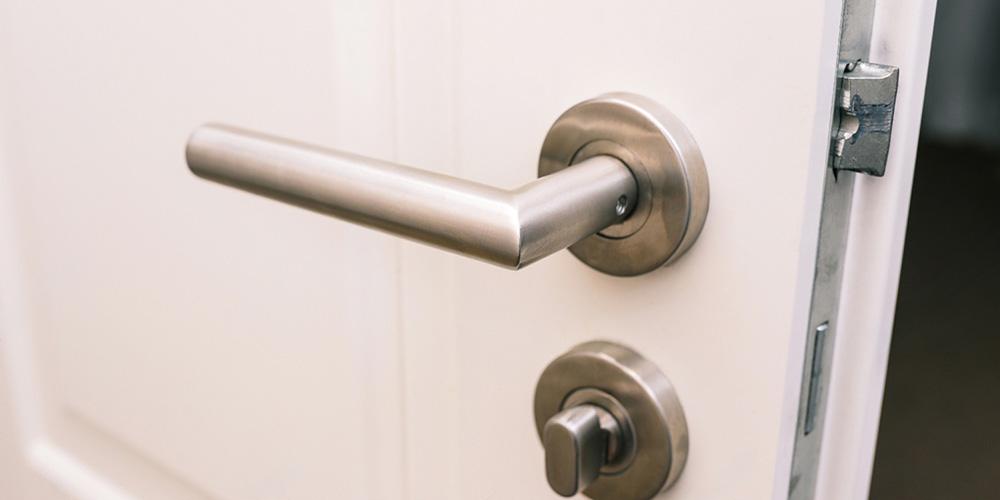
Zamek zasuwkowy a zamek gałkowy: różnice w zabezpieczeniach
Zamek gałkowy jest przeznaczony przede wszystkim do podstawowego blokowania drzwi, natomiast zamek zasuwkowy zapewnia większe bezpieczeństwo. Zamki gałkowe są zazwyczaj bardziej narażone na włamanie, uderzenie lub manipulację, ponieważ mechanizm blokujący jest zintegrowany z klamką.
Zamek zasuwkowy wykorzystuje oddzielny rygiel blokujący z głębszym osadzeniem w ramie, co zwiększa odporność na wyważenie i wytrzymałość konstrukcji. W wielu projektach komercyjnych zamki zasuwkowe i gałkowe są stosowane razem, tworząc wielowarstwowe rozwiązanie bezpieczeństwa, które równoważy wygodę i ochronę.
〈Dodatkowe materiały do czytania: Jak wybrać odpowiedni zamek do drzwi szklanych, który spełni Twoje potrzeby? 〉
Jak działa zamek zasuwkowy? Zasady działania
Po przekręceniu klucza lub gałki, wewnętrzny cylinder lub mechanizm krzywkowy przesuwa rygiel do lub z płytki zaczepowej zamontowanej w ościeżnicy. Po pełnym wysunięciu rygiel tworzy fizyczną barierę, która pomaga przeciwdziałać siłom zewnętrznym.
Na rzeczywistą wydajność wpływa wiele czynników, takich jak długość wysuwu rygla, wytrzymałość blachy zaczepowej, głębokość zakotwienia wkrętów oraz stan ościeżnicy. Nawet wysokiej jakości zamek zależy od prawidłowego zazębienia rygla z otaczającą go konstrukcją drzwi.
〈Dodatkowe materiały do nauki: Opanowanie systemów blokujących od podstaw do wyboru odpowiedniego dostawcy 〉
Montaż i konserwacja zamków zasuwkowych
Długoterminowa niezawodność zależy zarówno od prawidłowego montażu, jak i regularnej konserwacji. Niewłaściwe wyrównanie korpusu zamka, rygla i blachy zaczepowej może powodować opór podczas pracy lub uniemożliwiać pełne zablokowanie rygla.
Słabe śruby montażowe lub niewystarczające zakotwiczenie ramy mogą obniżyć ogólną skuteczność zabezpieczeń. Z czasem brak smarowania i wielokrotne użytkowanie mogą zwiększyć zużycie wewnątrz cylindra i ruchomych elementów.
Rutynowa kontrola, prawidłowe ustawienie i okresowa konserwacja pomagają zachować płynne działanie zamka, jednocześnie zachowując bezpieczeństwo przez długi czas. 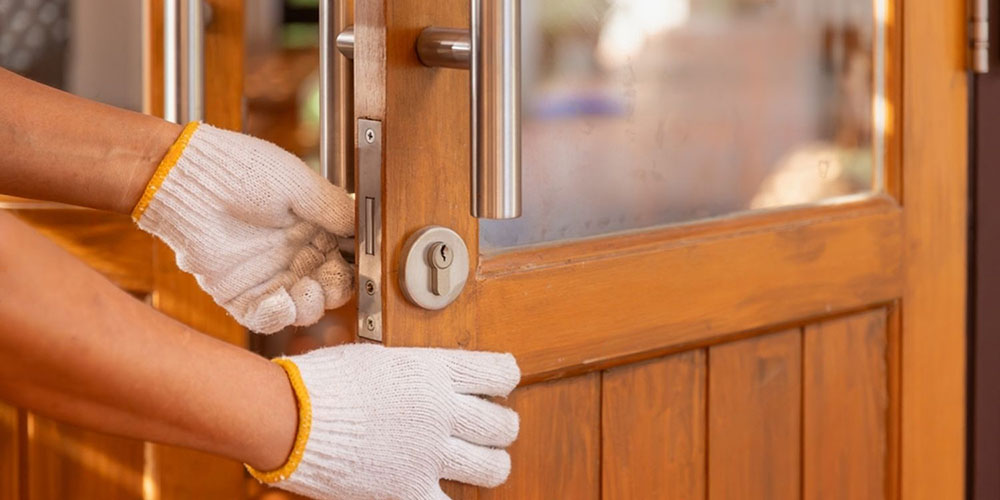
Najczęściej zadawane pytania dotyczące zamków zasuwkowych
P1: Czy sam zamek zasuwkowy wystarczy?
A1: zasuwka zapewnia solidne zabezpieczenie, jednak całkowita ochrona drzwi zależy również od ramy, zawiasów, blachy zaczepowej i ogólnej konstrukcji drzwi.
P2: Jak często należy wymieniać komercyjne zamki zasuwkowe?
A2: Termin wymiany zależy od częstotliwości użytkowania, warunków środowiskowych i historii konserwacji. Objawy takie jak utrudnione skręcanie, nierównomierne blokowanie lub widoczne zużycie mogą wskazywać na konieczność przeprowadzenia serwisu.
P3: Jaki rodzaj zamka zasuwkowego powinienem wybrać?
A3: Właściwa klasa zależy od poziomu ruchu, oczekiwań dotyczących bezpieczeństwa i obowiązujących standardów projektu. Środowiska o większym natężeniu ruchu zazwyczaj wymagają trwalszych rozwiązań klasy komercyjnej.
P4: Czy zamki zasuwkowe można dostosować do konkretnych projektów?
A4: Tak. Wiele projektów komercyjnych wymaga niestandardowych wykończeń, systemów kluczy, brandingu lub dostosowania wymiarów do konkretnych zastosowań.
Usługi B2B ALLWIN: Produkcja wysokowydajnych zamków zasuwkowych
Firma ALLWIN oferuje rozwiązania w zakresie produkcji zamków zasuwkowych dla projektów komercyjnych i globalnych programów dystrybucji. Kontrolowane procesy produkcyjne gwarantują dokładność wymiarową, stabilną pracę i spójną jakość w przypadku dużych zamówień.
ALLWIN specjalizuje się w okuciach ze stali nierdzewnej i mosiądzu, w tym w systemach balustrad, okuciach szklanych, okuciach drzwiowych i prysznicowych. Dzięki ponad 20-letniemu doświadczeniu w produkcji, ALLWIN wspiera globalne marki i firmy z listy Fortune 500, oferując rozwiązania OEM i ODM.
ALLWIN koncentruje się na przekształcaniu koncepcji projektowych w stabilną, skalowalną produkcję z niezawodnymi terminami realizacji i niezawodną jakością. Precyzyjna produkcja i ścisła kontrola procesu gwarantują, że każdy zamek będzie działał spójnie w rzeczywistych zastosowaniach.
〈Produkt powiązany: System blokujący 〉
Wniosek
Zamek zasuwkowy to coś więcej niż tylko podstawowe urządzenie zamykające. Stanowi ważny element długoterminowej strategii bezpieczeństwa dla obiektów komercyjnych. Odpowiednia specyfikacja, prawidłowy montaż i niezawodna jakość wykonania przyczyniają się do lepszej ochrony i płynniejszego codziennego użytkowania.
Problemy z bezpieczeństwem często wynikają z niedocenianych decyzji dotyczących sprzętu. Wybór odpowiedniego zamka ryglowego pomaga z czasem stworzyć bezpieczniejszy i bardziej niezawodny system wejścia. Zabezpiecz swoje projekty komercyjne za pomocą wysokiej jakości sprzętu dopasowanego do Twoich wymagań. Skontaktuj się z ALLWIN już dziś, aby poznać nasze niezawodne możliwości produkcyjne i niestandardowe rozwiązania OEM/ODM.

ALLWIN
Firma ALLWIN z siedzibą na Tajwanie to wiodący producent specjalizujący się w wysokiej jakości okuciach architektonicznych. Dzięki ponad 25-letniemu doświadczeniu w branży, posiadamy własną fabrykę, w której stosujemy zaawansowane odlewy i obróbkę CNC. Oferujemy rozwiązania dostosowane do indywidualnych potrzeb w zakresie systemów balustrad i okuć drzwiowych. Łącząc rygorystyczne testy z uczciwą obsługą, budujemy solidne, długoterminowe partnerstwa z klientami na całym świecie.
Klasyfikacja artykułów
Najnowsze artykuły
- Bezszwowe kabiny prysznicowe: w jaki sposób zaciski do szyb prysznicowych wzmacniają drzwi bezramowe
- Czy mosiężne klamki do drzwi naprawdę wyszły z mody?
- Części drzwi prysznicowych: kompletny przewodnik po identyfikacji i wymianie
- Dlaczego warto wybrać okucia szklane do nowoczesnych projektów bezramowych?
- pl:How Do Glass Suction Cups Work? Types, Uses, and Safety Tips