
BLOG
- Hogar
- Blog
- Compartir industria
- eses:Screen Door Latch Selection and Replacement: A Guide to Durable Hardware
eses:Screen Door Latch Selection and Replacement: A Guide to Durable Hardware
Jul 17, 2026
Autor : ALLWIN
eses:
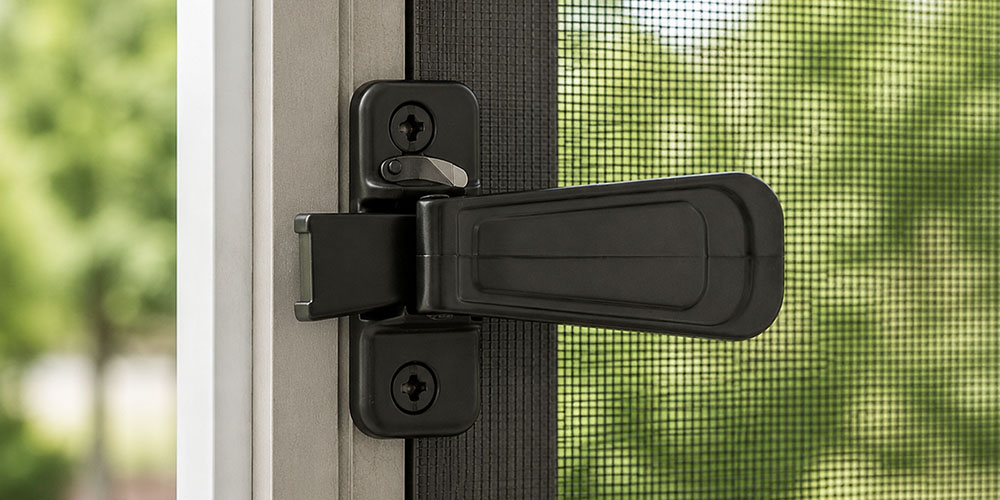
A screen door latch plays an essential role in both convenience and functionality. Beyond keeping a screen door securely closed, it helps prevent insects from entering while allowing fresh air to circulate throughout residential and commercial spaces. Because screen doors are opened and closed multiple times every day, the latch must provide reliable operation and withstand long-term outdoor exposure.
For builders, property managers, distributors, and homeowners, selecting the correct screen door latch involves more than choosing a matching design. Door type, installation dimensions, material, and environmental conditions all influence long-term performance. This guide explains the different latch types, measurement methods, material options, replacement considerations, and key purchasing factors to help buyers select the right hardware for their projects.
Screen Door Latch Types and Applications
Screen door latches are designed differently depending on how the screen door operates. Selecting the correct configuration helps ensure proper installation and smooth operation.
Swing Screen Door Latches
Swing screen door latches are designed for hinged screen doors that open inward or outward. They typically use a spring-loaded latch mechanism that securely engages with the strike plate while allowing quick operation from both sides of the door.
These latches are commonly used in residential homes, community entrances, patios, balconies, and commercial screen door systems.
Sliding Screen Door Latches
Sliding screen door latches are specifically designed for doors that move horizontally along a track. Their locking mechanisms differ significantly from swing door latches and are intended to maintain secure engagement without interfering with the sliding movement.
Sliding latches are frequently used for patio doors, balcony entrances, apartment buildings, and modern residential projects.
Selecting the correct latch type before purchasing helps prevent installation problems and eliminates compatibility issues between different screen door systems.
How to Measure for Screen Door Latch
Accurate measurements are essential before replacing an existing screen door latch.
Backset
Measure the distance from the edge of the door to the center of the latch mechanism. This dimension helps determine whether the replacement latch will align correctly with the existing installation.
Door Thickness
Door thickness affects latch compatibility and fastening length. Always verify the door thickness before selecting replacement hardware.
Mounting Hole Spacing
Measure the center-to-center distance between the existing mounting screw holes. Matching this dimension helps simplify replacement and avoids unnecessary drilling.
Door Handing
Determine whether the screen door is left-handed or right-handed. Some latch designs are directional, making handing an important consideration during product selection.
Strike Plate Position
Verify the location of the strike plate to ensure proper alignment after installation. Incorrect positioning may prevent the latch from engaging securely.
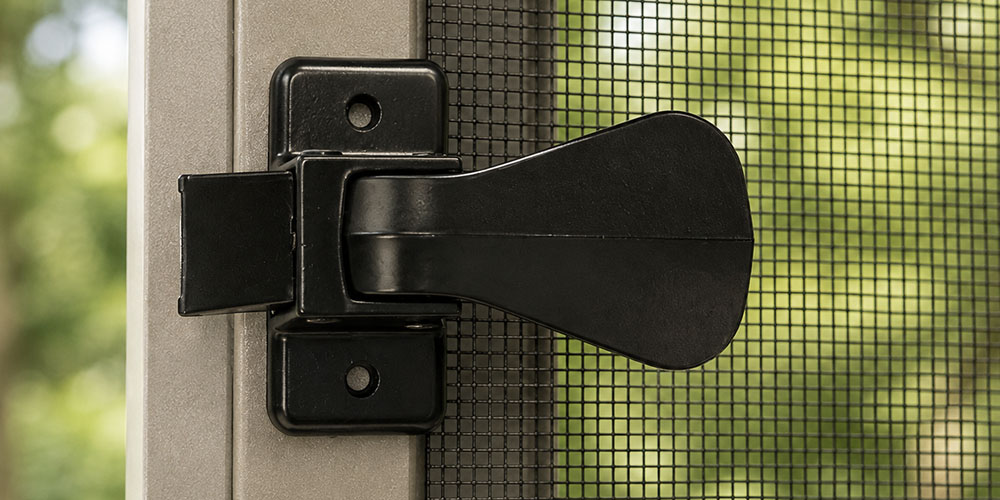
Executing a Screen Door Latch Replacement
Signs That a Screen Door Latch Should Be Replaced
Not every damaged latch can be repaired effectively. Common signs that replacement is recommended include:
- Difficulty opening or closing the latch
- Weak or broken internal springs
- Corrosion caused by long-term outdoor exposure
- Excessive looseness or worn latch components
- Misalignment between the latch and strike plate
Replacing worn hardware early helps maintain reliable operation while reducing the risk of complete latch failure.
Basic Replacement Steps
Most replacement projects follow a straightforward process:
- Remove the existing latch and strike plate.
- Clean the mounting area and inspect the door for damage.
- Position the new latch using the original mounting holes whenever possible.
- Secure all fasteners and verify proper alignment.
- Test the latch several times to ensure smooth engagement and reliable operation.
Material Selection for Screen Door Latch
Because screen doors are continuously exposed to sunlight, humidity, rain, and changing weather conditions, material selection has a significant impact on product lifespan.
Stainless Steel
Stainless steel provides excellent corrosion resistance and long-term durability, making it suitable for coastal environments, outdoor installations, and commercial applications requiring extended service life.
Zinc Alloy
Zinc alloy offers excellent casting capability and design flexibility while maintaining competitive production costs. It is commonly used for residential screen door hardware and standard outdoor applications.
Aluminum
Aluminum combines lightweight construction with good corrosion resistance, making it suitable for modern screen door systems where reduced weight is preferred.
Brass
Brass offers excellent corrosion resistance along with a premium appearance. It is often selected for decorative residential projects and high-end architectural applications.
The appropriate material should always be selected according to the installation environment, expected usage frequency, and long-term maintenance requirements.
Choosing the Right Screen Door Latch
Selecting the right latch involves more than matching dimensions. Buyers should evaluate several factors before making a purchasing decision.
Swing or Sliding Door
Choose a latch specifically designed for the screen door's opening method to ensure proper installation and smooth operation.
Left- or Right-Hand Configuration
Some latch designs are handed. Confirming the correct door orientation helps prevent installation issues.
Material Selection
Outdoor environments generally benefit from corrosion-resistant materials such as stainless steel, while zinc alloy and aluminum may be suitable for standard residential applications.
Surface Finish
Electroplated, powder-coated, or painted finishes influence both durability and appearance. The finish should match the project's environmental conditions and aesthetic requirements.
Installation Environment
Coastal regions, humid climates, and high-traffic locations often require more durable materials and protective finishes to ensure long-term performance.
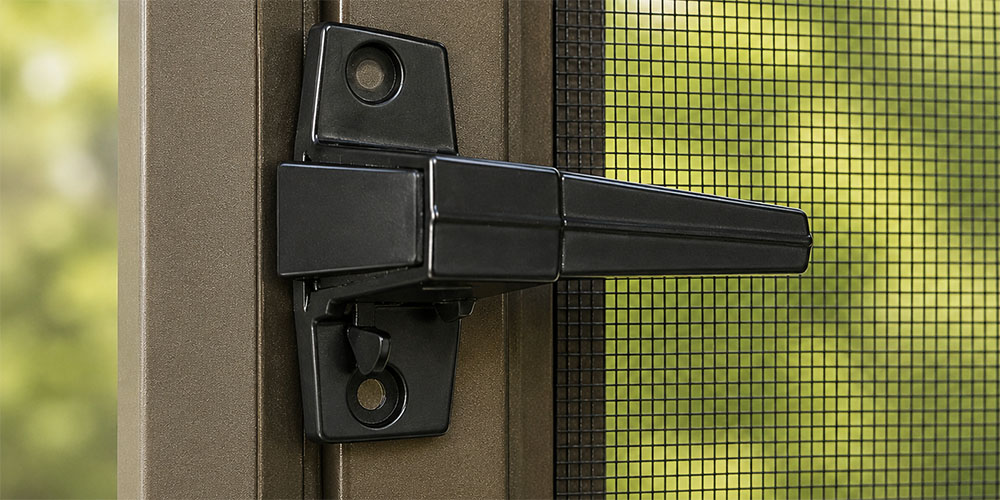
Maintenance for Longevity
Routine maintenance helps extend the service life of screen door latches while maintaining smooth operation.
Apply a dry lubricant periodically to the latch mechanism and internal spring components to reduce friction and improve movement. Avoid oil-based lubricants that may attract dust and debris.
Regularly remove dirt, sand, and accumulated debris from the latch mechanism, especially in outdoor environments where contamination can affect operation.
Inspect mounting screws periodically to ensure they remain securely fastened. Loose hardware may lead to alignment issues and premature wear.
Finally, verify that the latch and strike plate remain properly aligned. Minor adjustments performed during routine maintenance can help prevent larger operational problems over time.
ALLWIN B2B Services: Reliable Screen Door Latch Manufacturing
ALLWIN provides OEM and ODM manufacturing solutions for screen door latches and architectural hardware used in residential, commercial, and property management projects.
With more than 20 years of manufacturing experience, ALLWIN specializes in stainless steel and zinc alloy production supported by precision die casting, CNC machining, polishing, electroplating, powder coating, and comprehensive quality control. The company supplies global brands and Fortune 500 companies with reliable manufacturing solutions that emphasize consistent quality and dependable lead times.
To ensure stable product performance, ALLWIN implements strict quality control throughout the manufacturing process, including XRF material verification, dimensional inspection, salt spray testing, and batch-to-batch consistency control. Vertical integration allows better coordination across production stages while improving manufacturing efficiency and maintaining consistent product quality.
Whether developing standard products or customized OEM solutions, ALLWIN works closely with customers to deliver durable hardware that meets the requirements of international architectural projects.
Conclusion
Choosing the right screen door latch improves both everyday convenience and long-term durability. Selecting the correct latch type, verifying installation dimensions, choosing appropriate materials, and performing regular maintenance all contribute to reliable performance throughout the product's service life.
For distributors, builders, and OEM buyers seeking dependable screen door hardware, working with an experienced manufacturing partner helps ensure consistent quality, stable supply, and long-term project success. Contact ALLWIN to learn more about customized screen door latch solutions for your next project.

ALLWIN
Con sede en Taiwán, ALLWIN es un fabricante líder especializado en herrajes arquitectónicos de alta calidad. Con más de 25 años de experiencia en el sector, contamos con una fábrica a gran escala equipada con tecnología avanzada de fundición y mecanizado CNC. Ofrecemos soluciones personalizadas para sistemas de barandillas y herrajes para puertas. Gracias a una combinación de rigurosas pruebas y un servicio honesto, forjamos relaciones de colaboración duraderas y de confianza con clientes de todo el mundo.
Clasificación de artículos
Artículos Recientes
- eses:Shower Glass Clamps for Frameless Doors: Types, Selection & Installation
- ¿Están realmente pasadas de moda las manijas de las puertas de latón?
- eses:Parts of a Shower Door: Names, Types & Replacement Tips
- eses:Glass Patch Fittings for Frameless Glass Doors
- eses:How Do Glass Suction Cups Work? Types, Uses, and Safety Tips